Thursday, December 22, 2005

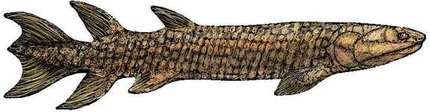
Discovered This Day: First Coelacanth


Internal anatomy of the coelacanth, Latimeria chalumnae, .

From Today In Science History:

In 1938, a coelacanth, a primitive fish thought extinct, was discovered. Marjorie Courtenay-Latimer was curator of the museum in the port town of East London, northeast of Cape Town, South Africa, and always interested in seeing unusual specimens. Hendrik Goosen, captain of the trawler Nerine, called her to see his catch of the day before, made at about 70-m depth, off the Chalumna River southwest of East London. She spotted an unusual 5-ft fish in his "trash" fish pile. It was pale mauvy-blue with iridescent silver markings. She sent a sketch to Dr J.L.B. Smith, a senior lecturer in chemistry from Rhodes University in Grahamstown for identification. It was hailed as the zoological discovery of the century and equated to finding a living dinosaur!

Read this excerpt from ICHTHOS:
“December 22, 1938, Captain Goosen and the Nerine put into East London harbour with the usual catch of sharks, rays, starfish and rat-tail fish. But there was one unusual fish amongst the catch that had been caught in about 70 meters, near the mouth of the Chalumna River. Once ashore Captain Goosen left word at the Museum that there were several specimens at the ship for Miss Latimer. At first she said that she was too busy because she was hard at work cleaning and articulating the fossil reptile bones collected from Tarkastad. But as it was so near Christmas time she decided to go and wish the crew a “Happy Christmas” and took a taxi to the docks. There, attracted by a blue fin amid the pile of sharks, she found a magnificent fish. She and her assistant put it in a bag and persuaded a reluctant taxi driver to take it to the museum in the boot of the car. It measured 150 cm and weighed 57.5 kg. From its hard bony scales with sharp, prickly spines and paired fins looking rather like legs, she knew that it must be some kind of primitive fish.


Image from HERE.

But her greatest problem was to preserve it until it could be identified. It was extremely hot, the fish, was too big to go into a bath and she could not find any organization willing to store it in a freezer. Although she was told by experts that it was only a type of rock cod and that she was making a fuss about nothing, she persisted in her attempts to save the fish for science. At first it was wrapped in cloths soaked in formalin but eventually, on the 26th, Mr. Center, a taxidermist, skinned it. Unfortunately the internal organs were thrown away. Marjorie went home disappointed and worried that she had not saved all the soft parts. What she had done, however, was to write immediately to her friend, JLB Smith, and send him her famous sketch of the strange fish.”


Miss Courtenay-Latimer's sketch of the first coelacanth which she posted to JLB Smith from HERE.

Learn more about Latimeria chalumnae at the Australian Museum fish web page.

The Origin Of Tetrapod Locomotion


Panderichthys from HERE.
The pelvic fin and girdle of Panderichthys and the origin of tetrapod locomotion. 2005. C. A. Boisvert. Nature 438, 1145-1147.

Abstract: One of the most marked transformations in the vertebrate transition to land was that of fins to limbs. This transformation involved not only the generation of morphological novelties (digits, sacrum) but also a shift in locomotory dominance from the pectoral to the pelvic appendage. Despite its importance, the transformation from pelvic fin to hindlimb is the least studied and least well-documented part of this transformation, which is bracketed by the osteolepiform Eusthenopteron and the early tetrapods Ichthyostega and Acanthostega, but is not directly illuminated by any intermediate form. Panderichthys is the closest tetrapod relative currently represented by complete fossils, but its pelvic fin skeleton has not been described.

Here, I present the only known articulated pelvic fin endoskeleton and associated partial pelvis of Panderichthys. The pelvic girdle is even less tetrapod-like than that of the osteolepiform Eusthenopteron, but the pelvic fin endoskeleton shares derived characteristics with basal tetrapods despite being more primitive than the pectoral fin of Panderichthys. The evolution of tetrapod locomotion appears to have passed through a stage of body-flexion propulsion, in which the pelvic fins played a relatively minor anchoring part, before the emergence of hindlimb-powered propulsion in the interval between Panderichthys and Acanthostega.


Illustration from Shubin et al.(2004) Science 304:90-93 & © Science & taken from the excellent site, Pharyngula.org. (Click to enlarge)

Wednesday, December 21, 2005

Born This Day: Sewell Wright

Dec. 21, 1889 – March 3, 1988.

From the ever eloquent Today In Science History:

Wright was an American geneticist who was one of the founders of modern theoretical population genetics. He researched the effects of inbreeding and crossbreeding with guinea pigs, and later on the effects of gene action on inherited characteristics. He adopted statistical techniques to develop evolutionary theory.

Wright is best known for his concept of genetic drift, called the Sewell Wright effect - that when small populations of a species are isolated, out of pure chance the few individuals who carry certain relatively rare genes may fail to transmit them. The genes may therefore disappear and their loss may lead to the emergence of new species, although natural selection has played no part in the process.

Check out genetic drift at The Biology Project at The University of Arizona.

Learn more about Wright HERE. Image from HERE.
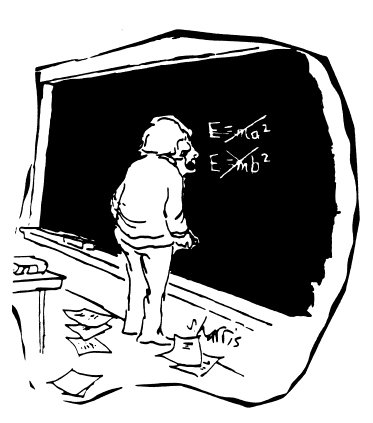
E (Still) = mc2


Cartoon © S. Harris

A direct test of E = mc². 2005. Rainville, J.K., et al. Nature 438: 1096-1097.

ABSTRACT: One of the most striking predictions of Einstein's special theory of relativity is also perhaps the best known formula in all of science: E=mc². If this equation were found to be even slightly incorrect, the impact would be enormous -- given the degree to which special relativity is woven into the theoretical fabric of modern physics and into everyday applications such as global positioning systems. Here we test this mass–energy relationship directly by combining very accurate measurements of atomic-mass difference, ∆m, and of γ-ray wavelengths to determine E, the nuclear binding energy, for isotopes of silicon and sulphur. Einstein's relationship is separately confirmed in two tests, which yield a combined result of 1-∆mc²/E=(-1.4±4.4)x10-7, indicating that it holds to a level of at least 0.00004%. To our knowledge, this is the most precise direct test of the famous equation yet described.

From the press release:

Albert Einstein was correct in his prediction that E=mc2, according to scientists at the Commerce Department's National Institute of Standards and Technology (NIST) and the Massachusetts Institute of Technology (MIT) who conducted the most precise direct test ever of what is perhaps the most famous formula in science.

The researchers added to a catalog of confirmations that matter and energy are related in a precise way. Specifically, energy (E) equals mass (m) times the square of the speed of light (c²), a prediction of Einstein's theory of special relativity. By comparing NIST measurements of energy emitted by silicon and sulfur atoms and MIT measurements of the mass of the same atoms, the scientists found that E differs from mc² by at most 0.0000004, or four-tenths of 1 part in 1 million. This result is "consistent with equality" and is 55 times more accurate than the previous best direct test of Einstein's formula, according to the paper.

Read the rest of the press release HERE

Tuesday, December 20, 2005

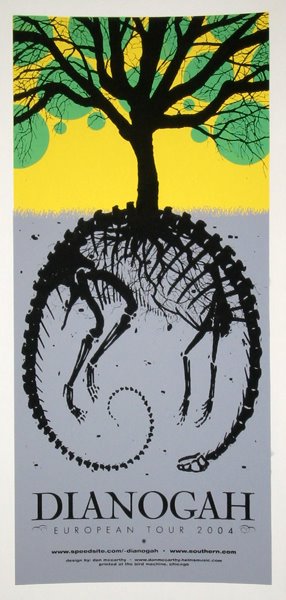
The Art of Dan McCarthy


The ever entertaining and informative Drawn! blog pointed me to the work of the incredibly talented Dan McCarthy. His site is worth checking out.
You can see more of Dan’s work at www.gigposters.com, a site I should plug more often.

FYI, Gigposters.com is now selling a playing card deck featuring 52 great images by some of Gigposters’ best artists. Below is Dan’s card.

All art © Dan McCarthy.
It may be too late to order this for Christmas but I’m sure someone has a birthday coming up sometime in the next 365 days!

Update Note: Anyone who can help me obtain a copy of the ‘Dianogah’ poster or print should drop me a line here at the Palaeoblog. Thanks!

More Blows Against The Empire

From CNN.com comes this news:

"Intelligent design" cannot be mentioned in biology classes in a Pennsylvania public school district, a federal judge said Tuesday, ruling in one of the biggest courtroom clashes on evolution since the 1925 Scopes trial.

Dover Area School Board members violated the Constitution when they ordered that its biology curriculum must include the notion that life on Earth was produced by an unidentified intelligent cause, U.S. District Judge John E. Jones III said.

Several members repeatedly lied to cover their motives even while professing religious beliefs, he said.

The school board policy, adopted in October 2004, was believed to have been the first of its kind in the nation. "The citizens of the Dover area were poorly served by the members of the Board who voted for the ID Policy," Jones wrote.

The board's attorneys had said members were seeking to improve science education by exposing students to alternatives to Charles Darwin's theory that evolution develops through natural selection. Intelligent-design proponents argue that the theory cannot fully explain the existence of complex life forms.

The plaintiffs challenging the policy argued intelligent design amounts to a secular repackaging of creationism, which the courts have already ruled cannot be taught in public schools. The judge agreed.

Read the full report HERE.

Monday, December 19, 2005

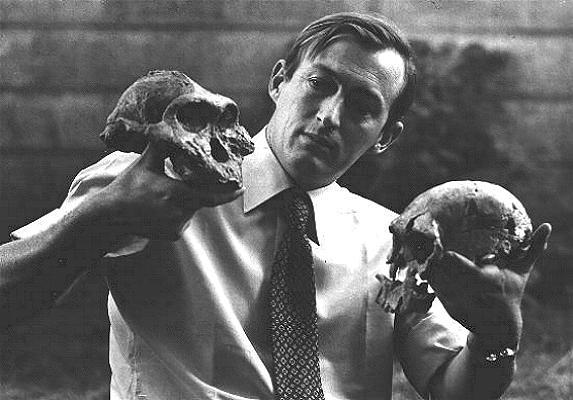
Born This Day (1944): Richard Leakey


Image from HERE.
From Today In Science History:

Leakey is a Kenyan physical anthropologist, paleontologist and second of three sons of noted anthropologists Louis Leakey and Mary Leakey. At an early age, he decided he wanted nothing to do with paleoanthropology and started a expedition business. In 1964, he led an expedition to a fossil site which sparked his interest in paleontology. Since then he has been responsible for extensive fossil finds of human ancestral forms in East Africa, including a Homo habilis skull found in 1972, and a Homo erectus skull found in 1975. His discoveries showed that man's ancestors used tools, which shows intelligence, and lived in eastern Africa at least 3 million years ago - almost doubling the previously accepted age of human origins.

Learn more about The Leakey Foundation HERE.

Woolly Mammoth DNA Sequenced


From the Penn State press release:

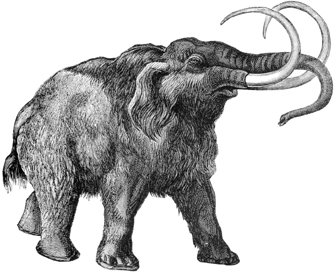
A team of genome researchers at Penn State University and experts in ancient DNA at McMaster University in Canada has obtained the first genomic sequences from a woolly mammoth, a mammal that roamed grassy plains of the Northern Hemisphere until it became extinct about 10,000 years ago. The team's research on bones preserved in Siberian permafrost will be published on 22 December 2005 by the journal Science on the Science Express website.

The project became possible through the discovery of exceptionally well preserved remains of a mammoth skeleton in the permafrost soil of northern Siberia, in combination with a novel high-throughput sequencing technique that could cope with the heavily fragmented DNA retrieved from the organism's mandible, its jaw bone.

"The bone material used in this study is approximately 28,000 years old, as was shown by beta carbon dating analysis," said Hendrik N. Poinar, associate professor of anthropology at McMaster University. "This was a surprising finding, as it demonstrated that the analyzed material was frozen for more than 10,000 years before the maximum of the last ice age."

A mammoth was chosen for the study, in part, because of its close evolutionary relationship to the African elephant, whose nuclear DNA sequence is publicly available. Using comparisons with elephant DNA, the researchers identified 13-million base pairs as being nuclear DNA from the mammoth, which they showed to be 98.5 percent identical to nuclear DNA from an African elephant.

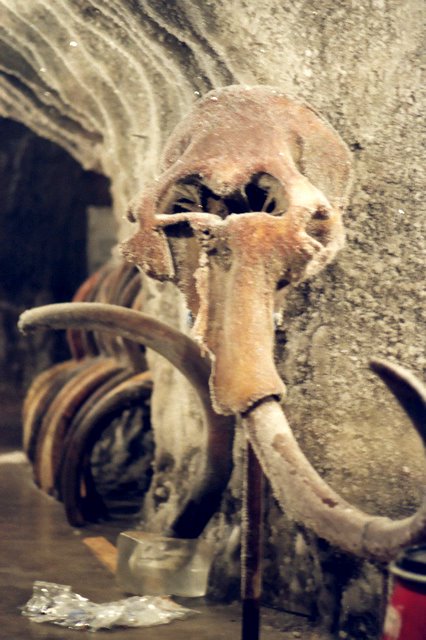
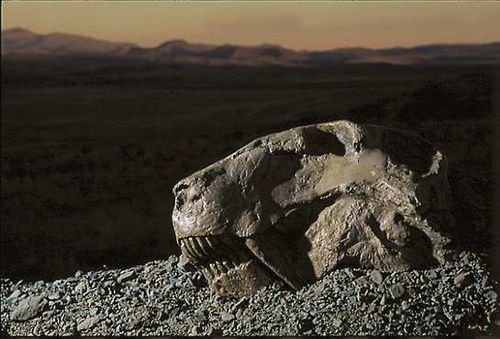
A frozen mammoth skull in the ice cave displays its excellent state of preservation.
Photo © Debi Poinar, McMaster University.

The Human-Chimpanzee Split


Placing confidence limits on the molecular age of the human-chimpanzee divergence. 2005. Sudhir Kumar, et al. PNAS published December 19, 2005.

ABSTRACT: Molecular clocks have been used to date the divergence of humans and chimpanzees for nearly four decades. Nonetheless, this date and its confidence interval remain to be firmly established. In an effort to generate a genomic view of the human-chimpanzee divergence, we have analyzed 167 nuclear protein-coding genes and built a reliable confidence interval around the calculated time by applying a multifactor bootstrap-resampling approach. Bayesian and maximum likelihood analyses of neutral DNA substitutions show that the human-chimpanzee divergence is close to 20% of the ape-Old World monkey (OWM) divergence. Therefore, the generally accepted range of 23.8-35 millions of years ago for the ape-OWM divergence yields a range of 4.98-7.02 millions of years ago for human-chimpanzee divergence. Thus, the older time estimates for the human-chimpanzee divergence, from molecular and paleontological studies, are unlikely to be correct. For a given the ape-OWM divergence time, the 95% confidence interval of the human-chimpanzee divergence ranges from -12% to 19% of the estimated time. Computer simulations suggest that the 95% confidence intervals obtained by using a multifactor bootstrap- resampling approach contain the true value with >95% probability, whether deviations from the molecular clock are random or correlated among lineages. Analyses revealed that the use of amino acid sequence differences is not optimal for dating human-chimpanzee divergence and that the inclusion of additional genes is unlikely to narrow the confidence interval significantly. We conclude that tests of hypotheses about the timing of human-chimpanzee divergence demand more precise fossil-based calibrations.


From the press release at EurekAlerts!:

A team of researchers has proposed new limits on the time when the most recent common ancestor of humans and their closest ape relatives -- the chimpanzees -- lived. Scientists at Arizona State and Penn State Universities have placed the time of this split between 5 and 7 million years ago -- a sharper focus than that given by the previous collection of molecular and fossil studies, which have placed the divergence anywhere from 3 to 13 million years ago.

The scientists analyzed the largest data set yet of genes that code for proteins and also used an improved computational approach that they developed, which takes into account more of the variability -- or statistical error--in the data than any other previous study.

This time is consistent with the findings of several research groups that have used the molecular-clock method to estimate the split of humans and chimpanzees since the first attempt in 1967.

"We can conclude that humans and chimpanzees probably last shared a common ancestor between five and seven million years ago," says Blair Hedges, professor of biology at Penn State. "Although this conclusion does not exclude younger or older dates as being possible, it says they are less likely to be correct."


A big thanks to ‘Dial B For Blog’ for the images of Bobo (© DC Comics)!

Sunday, December 18, 2005

Died This Day: Sir Richard Owen (1892) & Dobzhansky (1975)

These entries from Today In Science History:

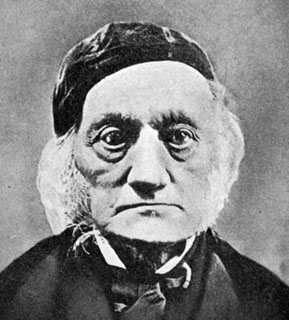
Sir Richard Owen (July 20, 1804 – Dec. 18, 1892)

English anatomist and paleontologist who is remembered for his contributions to the study of fossil animals and for his strong opposition to the views of Charles Darwin. He created the word "Dinosaur" meaning "terrible reptile" (1842). Owen synthesized French anatomical work, especially from Cuvier and Geoffroy, with German transcendental anatomy. He gave us many of the terms still used today in anatomy and evolutionary biology, including "homology". In 1856, he was appointed Superintendent of the British Museum (Natural History).

Theodosius Dobzhansky Jan. 25, 1900 – Dec. 18, 1975

Ukrainian-American geneticist and evolutionist whose work had a major influence on 20th-century thought and research on genetics and evolutionary theory. He made the first significant synthesis of Charles Darwin's theory of evolution with Gregor Mendel's theory of genetics in his book Genetics and the Origin of Species (1937). From 1918 his research gave experimental evidence that genes could vary far more than geneticists had previously believed. Thus, successful species tend to have a wide variety of genes that, while redundant in its present environment, do provide a species as a whole with genetic diversity. Such diversity enables the species to adapt effectively to changes in the surrounding environment - the basis for modern evolutionary theory.

Images from HERE & HERE.

Saturday, December 17, 2005

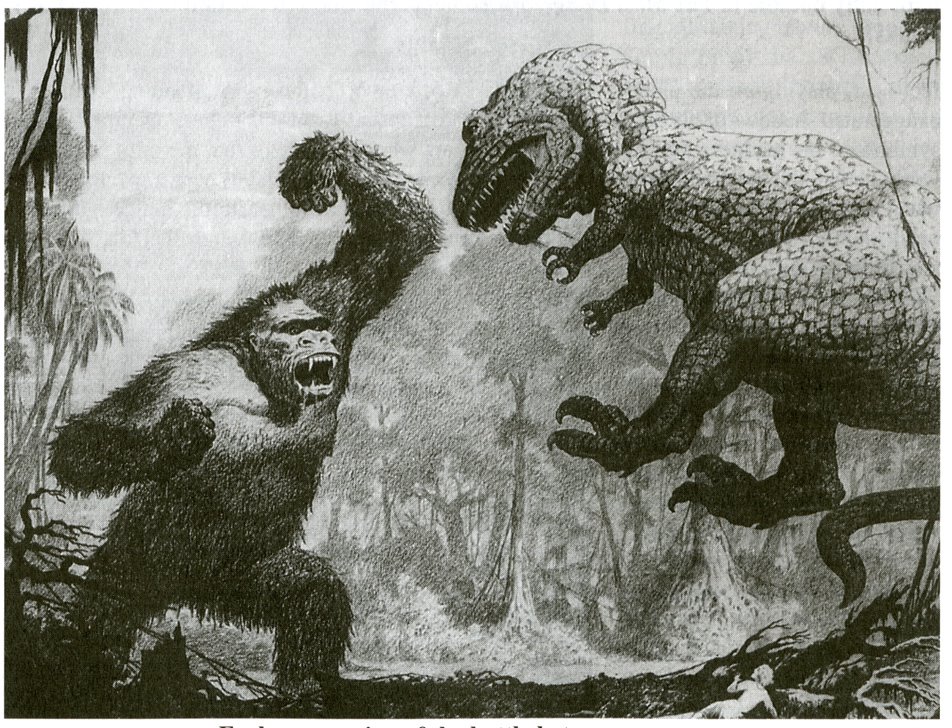
The Making Of Kong (1933)


From American Heritage.com comes THIS ARTICLE by Tom Huntington all about the people behind the 1933, 'KING KONG', and how it was made:
Even before it was made, the original King Kong was becoming a legend. “Because of the highly secret methods of filming used, the picture is being made on a closed stage and admittance is strictly forbidden,” read a notice at RKO Studio in the summer of 1932. The studio’s head of production was David O. Selznick; his assistant, Merian C. Cooper, was running Production 601. “I knew they were making something,” remembered the director George Cukor. “I would see them making it for what seemed like years and years, and we thought, dear old Coop, he’s making this preposterous picture."
Read the complete article HERE.

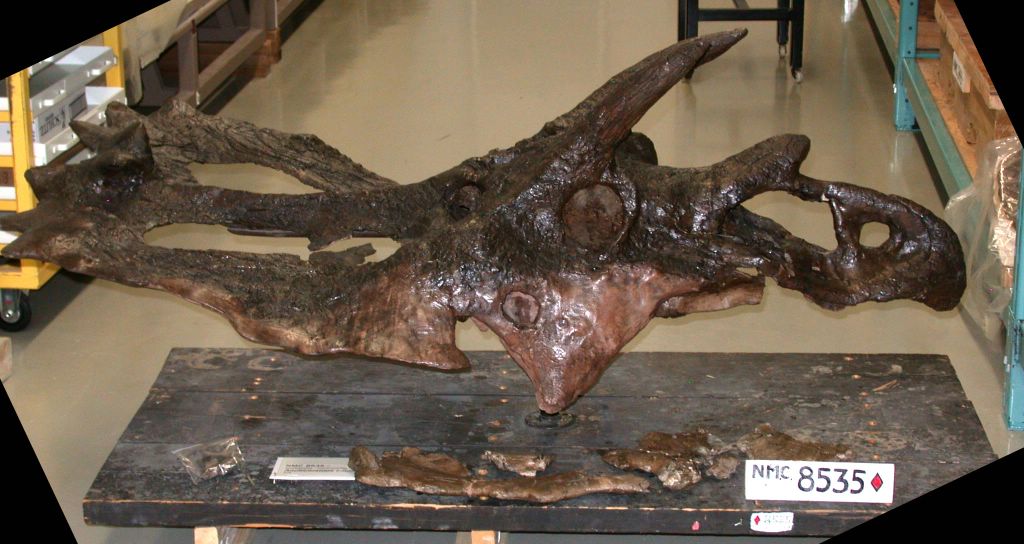
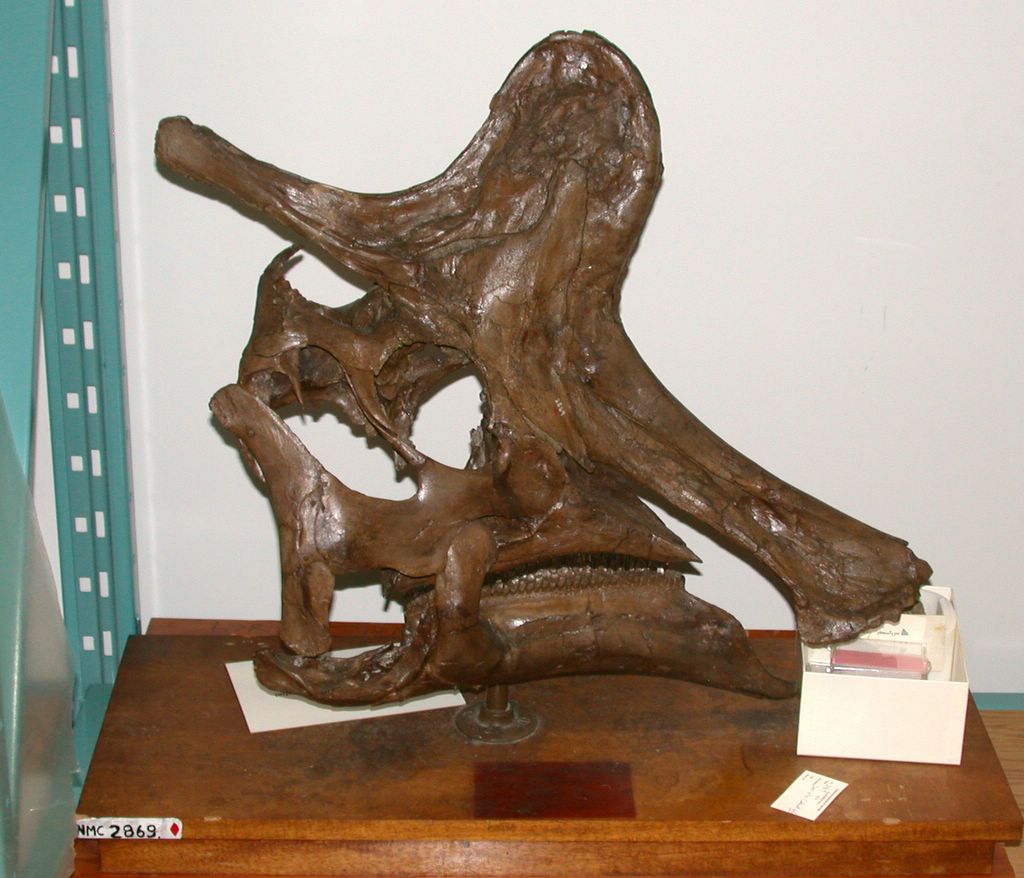
CMN Dinosaurs


A few pictures from the Canadian Museum of Nature's collections


CMN 8535. The red diamonds indicate types.


CMN 8893


CMN 2869

Thursday, December 15, 2005

Variable Dinosaur Growth Rates

Developmental Plasticity in the Life History of a Prosauropod Dinosaur. P. Martin Sander and Nicole Klein. 2005. Science 310: 1800 – 1802.

Abstract: Long-bone histology indicates that the most common early dinosaur, the prosauropod Plateosaurus engelhardti from the Upper Triassic of Central Europe, had variable life histories. Although Plateosaurus grew at the fast rates typical for dinosaurs, as indicated by fibrolamellar bone, qualitative (growth stop) and quantitative (growth-mark counts) features of its histology are poorly correlated with body size. Individual life histories of P. engelhardti were influenced by environmental factors, as in modern ectothermic reptiles, but not in mammals, birds, or other dinosaurs.

From the University of Bonn press release:
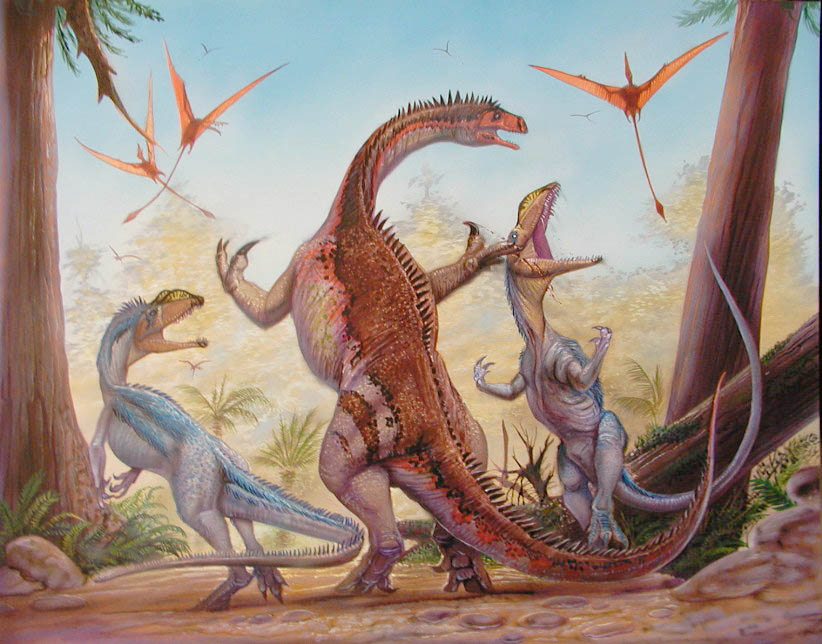
Plateosaurus engelhardti was apparently able to vary the speed of its growth according the conditions of its environment.

Image © Luis Rey from his web site HERE.

'Basically dinosaurs grew like we do,' the Bonn palaeontologist Dr. Martin Sander explains: 'Each age corresponded to a particular body size.' There was not much leeway involved. Reptiles do things differently: when food is scarce they grow more slowly than when there is food galore. Thus, a tortoise can be 30, 40 or even 60 cm long at the same age. 'Warm-blooded animals, by contrast, cannot so easily turn down their metabolism,' the lecturer says: 'If the food supply is inadequate, there's only one thing they can do – die.'

Dinosaurs lie somewhere in between: although they are descended from the reptiles, many of them had become warm-blooded, most researchers today agree. And they all grew like modern mammals: in accordance with a genetically programmed blueprint and in addition relatively fast. 'At least that's what was thought until recently,' Dr. Sander says. 'However, our findings have thrown this conception into disarray, at least for one dinosaur.'

The growth of dinosaurs' bones was characterised by temporary interruptions, so that 'annual growth rings' can be detected under the microscope, rather like the growth rings of trees. When growth is fast, the distance between the rings is greater. The bone tissue is then permeated with numerous longish cavities. From the bone structure experts can also detect when the animals reached their full size: 'Some had reached their maximum size at 12 years old, others were still growing at 27.

What is above all astonishing is that all the other dinosaurs seemed to show very steady growth. This is not only true of the plateosaur's closest relations, but also of dinosaurs which came onto the evolutionary stage well before plateosaurs and which therefore could perhaps be assumed to have shown a more 'reptilian' type of growth.

Born This Day: Joseph Barrell

Dec. 15, 1869 – May 4, 1919

From Today In Science History:

Barrell was an American geologist who proposed that sedimentary rocks were produced by the action of rivers, winds, and ice, as well as by marine sedimentation. In 1916, he indicated that the coloration of many Devonian rocks was bright red because they had been baked dry, like bricks, in arid conditions. Also, this severe climate was a driving force in the evolution of air-breathing vertebrates, including tetrapods.

In 1917, he used the new results of radioactive dating to reinterpret Earth's age at a few billion years, though many geologists still preferred an age of 100 million years. Barrell emphasized that geological processes vary in intensity in a cyclical rather than a uniform fashion, thus current rates of geological change should not be used as a guide to the past,as in prior estimates.

Read more about him HERE.

Wednesday, December 14, 2005

Nullarbor Cave Fossils

From ABC News OnLine comes this article:

Scientists from the Western Australia Museum have begun an in-depth study of skeletal remains of extinct animals found in a cave on the Nullarbor. The scientists were first alerted to the remains by a group who stumbled across them while exploring a remote cave system in 2002.

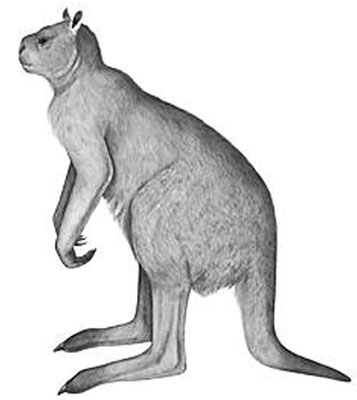
Since then about 60 examples of extinct animals have been recovered including well preserved fossils of marsupial lions, giant kangaroos and reptiles. Museum spokesman Dr Gavin Predeau says the aim of the research is to learn more about what types of animals and plants lived on the Nullarbor 500,000-years-ago. "A whole range of other extinct animals, as well including approximately 20 species of kangaroo, which is quite remarkable and about half of those are entirely new to science," he said.

"Some of them are pint-size sort of little bettong or wallaby-sized animals and they range right up to 250 kilogram giants." Dr Predeau says much of the research to date has focused on the marsupial lion but it has now shifted to the many other species found in the cave.

"That includes birds, and lizards, snakes and so it's really quite a diverse fauna," he said. "So basically getting an overall handle on the nature of the fauna as a whole, describing the new species, trying to work out what sort of environment was out on the Nullarbor half-a-million-years ago."

"I'm going to show you the greatest thing your eyes have ever beheld."


Ok, so, the new movie is out.

But, I'd urge you to watch the original first.

You'll be glad you did.

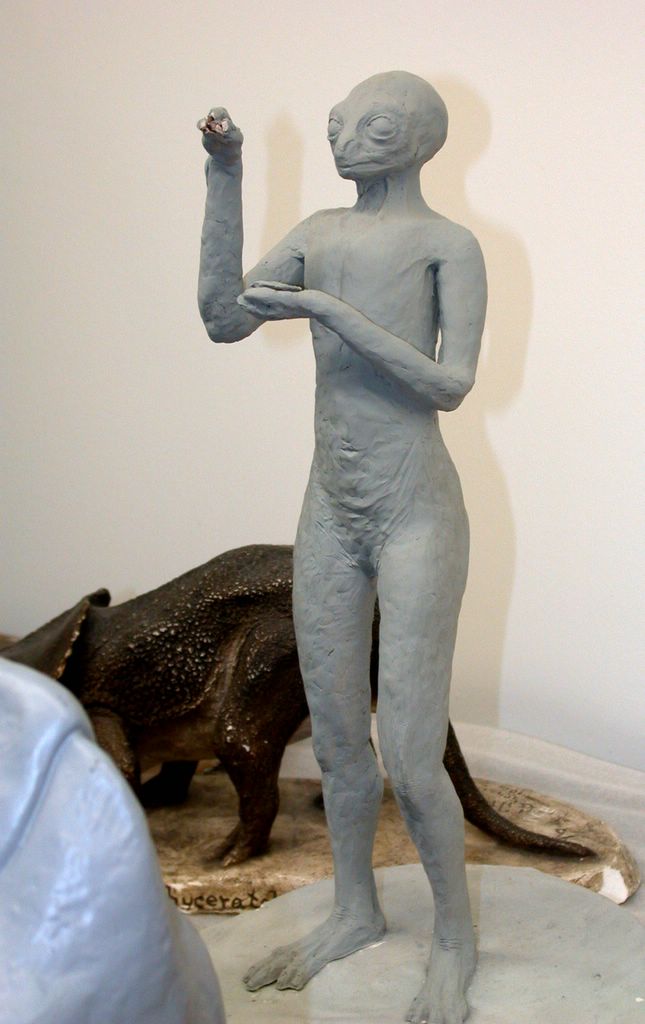
The Return of The Dinosauroid Man


I’m busy working at the Canadian Museum of Nature in Gatineau, Quebec, this week, and I’ll be doing a few postings of some of interesting sights in and around the collections, including a phenomenal computer animation of the Chasmosaurus irvinensis skeleton… but more on that later.

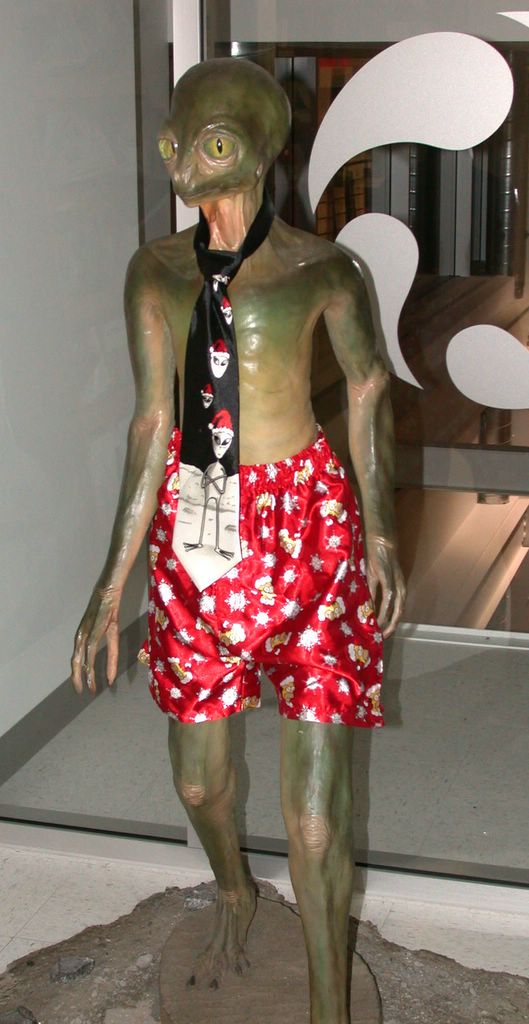
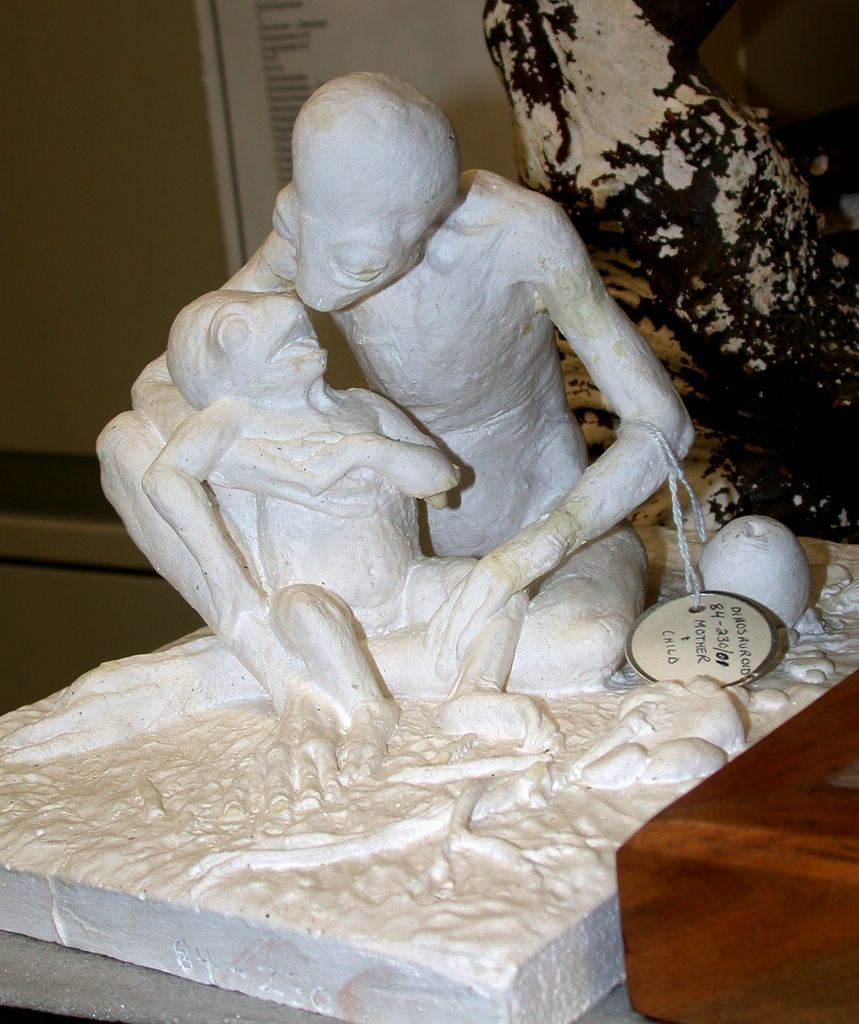
For now, some photos of Dale Russell’s ‘Dinosauroid Man’ (above) currently tucked away in one of the hallways of the Museum. Most people only know of this model as fodder of the supermarket rags, but Dale actually had the model built and wrote a ‘thought experiment’ paper to speculate on the direction that dinosaur evolution might have gone if the ‘brainiest’ small theropod, Troodon, (at the bottom) had of continued to evolve to man-like proportions.

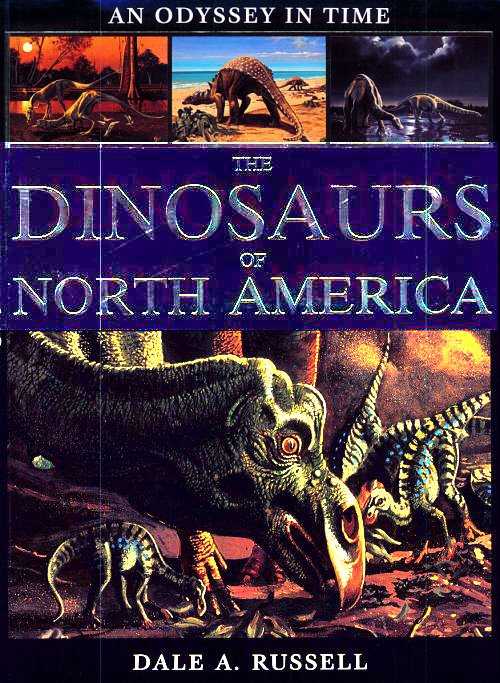
When Dale Russell later wrote his wonderful book, An Odyssey in Time: The Dinosaurs of North America, the artist Eli Kish did some excellent paintings of a number of the well-known dinosaurs of Alberta. Before she started each painting she built a small maquete of each dino which she then based her artistic recreation on. These models are now curated at in the CMN collections and I’ll be posting some photos on these later in the week. Of interest to readers of this blog is that Kish also did at least one beautiful painting of a family of ‘dinosauroids’ that was to be included in the book but was excluded at the last minute. I remember seeing the painting about 15 years ago, but as far as I know it’s never been published anywhere. These are the maquetes she used for her painting, the tallest being about 12 inches high.


Photos by Michael Ryan, 2005.

Monday, December 12, 2005

"Don't be alarmed, ladies and gentlemen. Those chains are made of chrome steel."

Evolution Of A Scientist


Image from HERE

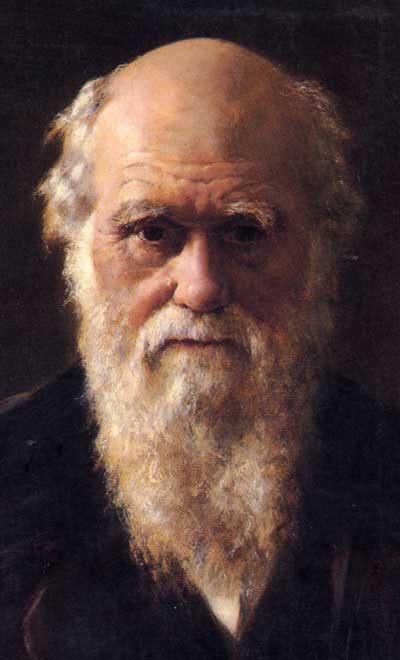
The latest issue of Newsweek as an article/overview of the new American Museum of Natural History’s exhibit on Charles Darwin.
“Although Darwin struggled with questions of faith his whole life, he ultimately described himself as an "Agnostic." William Howarth, an environmental historian who teaches a course at Princeton called "Darwin in Our Time," dates Darwin's doubts about Christianity to his encounters with slave-owning Christians, which deeply offended Darwin, an ardent abolitionist. More generally, Darwin was troubled by the problem of evil: how could a benevolent and omnipotent God permit so much suffering in the world he created? In any case, it all changed for him after 1851. In that year Darwin's beloved eldest daughter, Annie, died at the age of 10—probably from tuberculosis—an instance of suffering that only led him down darker paths of despair. A legend has grown up that Darwin experienced a deathbed conversion and repentance for his work, but his family has always denied it. He did, however, manage to pass through the needle's eye of Westminster Abbey, where he was entombed with honor in 1882.”
Read the full article HERE.

Sunday, December 11, 2005

"No chains will ever hold that".

Archaeopteryx #10 (collect 'em all!)


Photographs © Science 2005 (click image to enlarge)
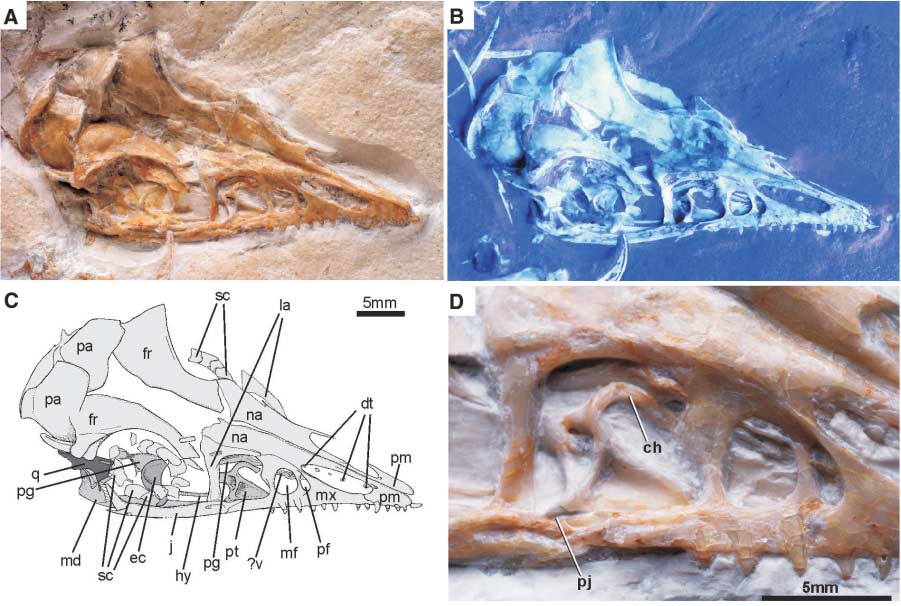
Skull of the new Archaeopteryx specimen. A, dorsal view, B, dorsal view with ultraviolet illumination, C, interpretive drawing, D, detail of antorbital fenestra.
Here’s a excerpt from a recent article by BRODIE FARQUHAR of the Casper Star-Tribune(Wyoming):

One of the world's best-preserved specimens of Archaeopteryx -- the earliest-known birdlike animal -- is headed for a small, privately owned museum in Thermopolis. The Wyoming Dinosaur Center has acquired the precious 150 million-year-old fossil with the help of unnamed benefactors at a high but undisclosed price. A less-intact fossil of the Archaeopteryx fossil sold for $1.3 million in 1999, according to the journal Science, which published details of the discovery this week.

Burkhard Pohl, one of three authors of the Science article, is founder of the 12,000-square-foot museum. He persuaded the widow of a Swedish fossil collector to sell the specimen to an anonymous donor willing to put the fossil on long-term display in Thermopolis. A condition of the deal that Pohl negotiated is the commitment that the specimen will always remain in a museum or public institution, said Scott Hartman, museum science director.

The magpie-sized fossil is one of 10 found in the world and comes from limestone deposits in Bavaria, Germany. The new Thermopolis specimen is second only to a Berlin specimen in terms of completeness, including a well-preserved skull that for the first time gives scientists a "top view" of the head of Archaeopteryx. The fossil will not be moved from Germany to Thermopolis until next Fall, Hartman said. That gives the Wyoming Dinosaur Center time to install a high-tech security system to provide for the safety of the specimen.

Hartman said the well-preserved foot of the Thermopolis specimen shows that its second toe could "hyper-extend," rising off the ground like Velociraptor and Troodon -- birdlike meat-eating dinosaurs. In addition, the Archaeopteryx's feet and ankles were almost identical to those of its close relatives, such as Velociraptor. It also demonstrates that the earliest birds did not spend as much time in trees as had been previously thought.


© Science 2005 (click image to enlarge)

Saturday, December 10, 2005

Irish Elk Not Red


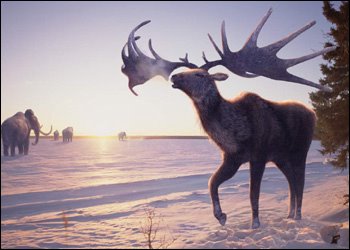
Image from HERE.

The phylogenetic position of the 'giant deer' Megaloceros giganteus. A. M. Lister, et al. Nature 438: 850-853 | doi:10.1038/nature04134

ABSTRACT: The giant deer, or 'Irish elk', has featured extensively in debates on adaptation, sexual selection, and extinction. Its huge antlers—the largest of any deer species, living or extinct—formed a focus of much past work. Yet the phylogenetic position of the giant deer has remained an enigma. On the basis of its flattened antlers, the species was previously regarded as closely related to the living fallow deer. Recent morphological studies8, however, have challenged that view and placed the giant deer closer to the living red deer or wapiti. Here we present a new phylogenetic analysis encompassing morphological and DNA sequence evidence, and find that both sets of data independently support a sister-group relationship of giant and fallow deer. Our results include the successful extraction and sequencing of DNA from this extinct species, and highlight the value of a joint molecular and morphological approach.


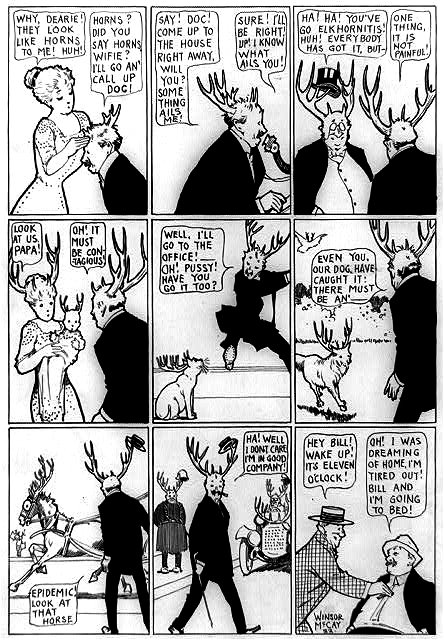
Windsor McCay’s “Dreams of Rarebit Fiend”

The Fantasy Island of Creationism

Over at Slate.com William Saletan takes a trip to “Fantasy Island” to examine the dwindling refuges of creationism. An excerpt:
This, more than monkey ancestors, is what alarms creationists. Larson lists the social ills they blame on the teaching of evolution: abortion, eugenics, homosexuality, effeminacy, divorce, communism, long hair. He's been told that Phillip Johnson, the founder of the intelligent design movement, brought up cross-dressing three times in his most recent book. "And those are important issues," Larson adds, trying to sound even-handed, but the journalists laugh. "It is important," a colleague next to me whispers. "There's a lot of shopping involved. You have to buy for two."
Read the rest HERE.
Thursday, December 08, 2005

Tor's T. rex

Art © Joe Kubert.

Things are still busy for me so I'll post this nice fun fact page from volume 1 of the collected 'Tor' stories by Joe Kubert.

Wednesday, December 07, 2005

Alberta Road Trip

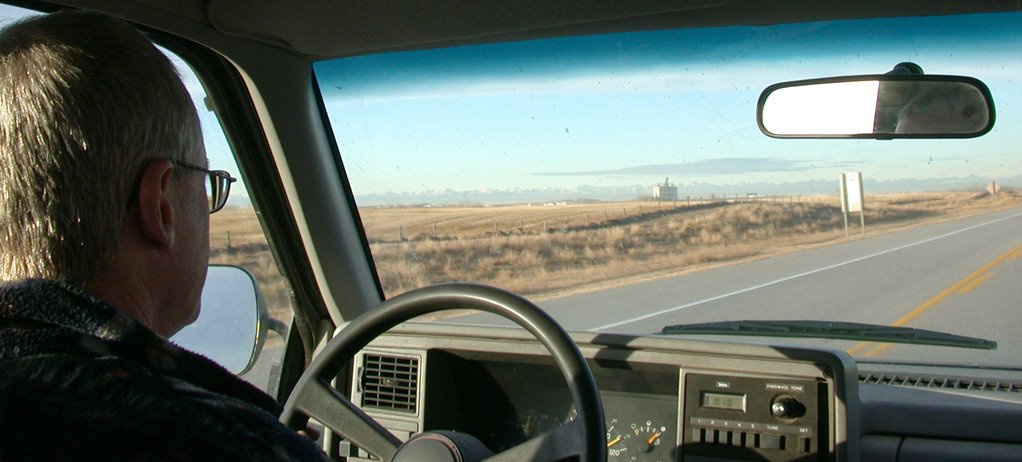
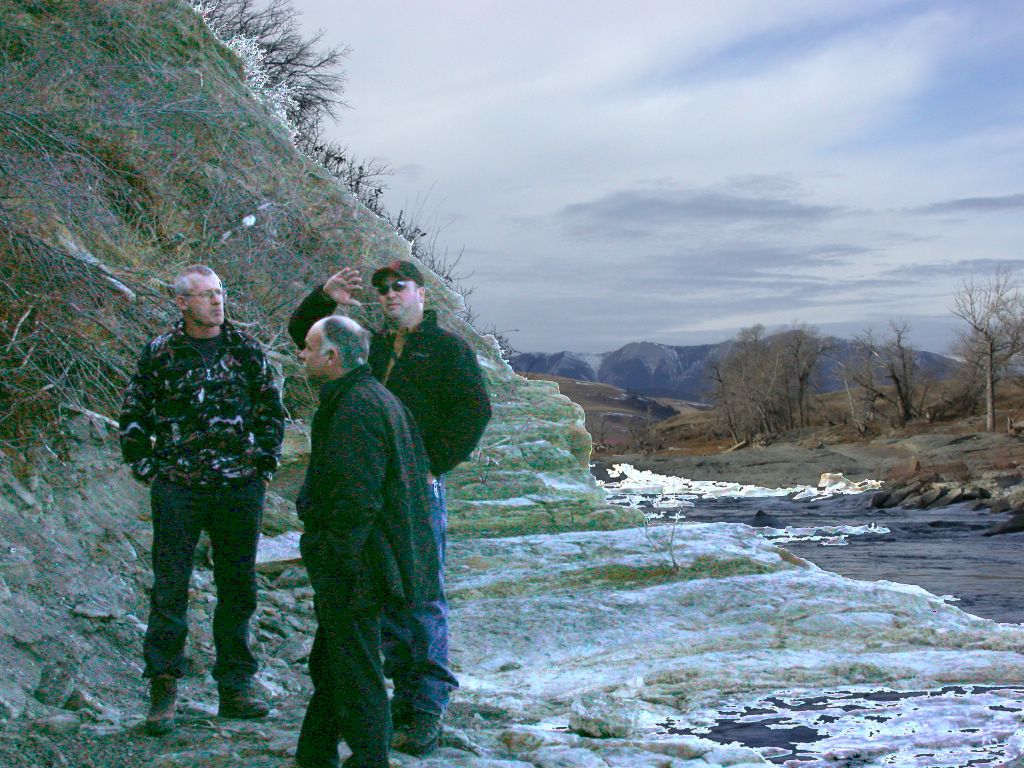
Last week I was back in Alberta for a whirlwind tour of museums and localities (that's why postings have been light recently). I meet up with Don Brinkman (he of the new Centrosaurus brinkmani fame) and Jim McCabe in Drumheller and drove down south to check out a report of a ceratopsian skull found along the Oldman River. It turns out to be in either the upper St. Mary’s River Formation or the Willow Creek Formation – both crop out in the area and Don and I need to consult with Denis Braman who’s been doing palynological work in the area to help nail down its position in section.


Jim McCabe at the wheel. Those are the Rocky Mountains in the distance.


Jim (left) and Don (middle) check out the site with a local contractor.


Don and Jim examine what is exposed of the skull - not much as it turns out.

Tuesday, December 06, 2005

Evolution Happens


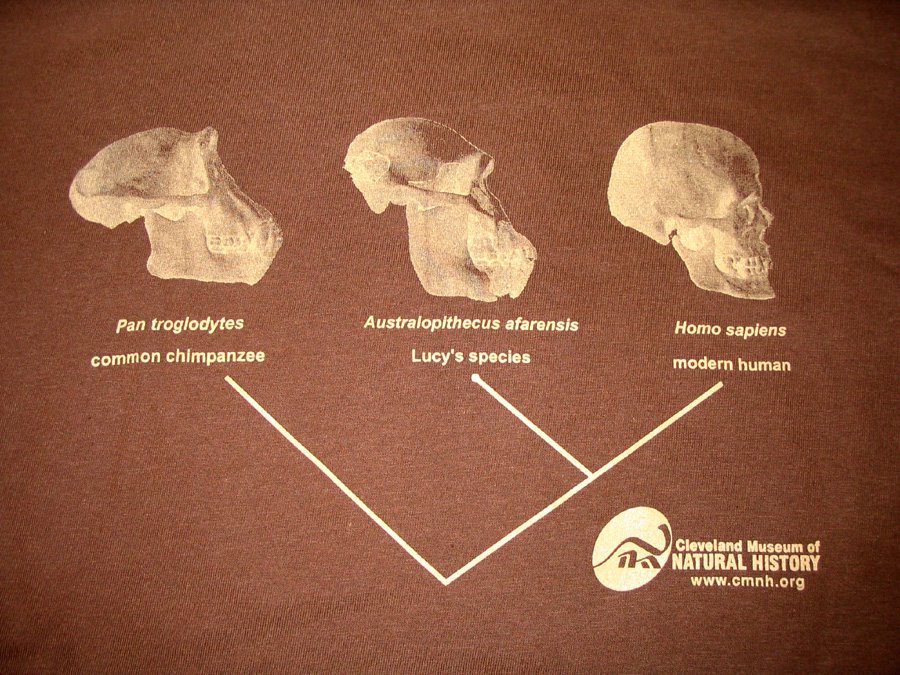
The Cleveland Museum of Natural History has produced these new 'Evolution Happens' t-shirts just in time for the holiday season (nothing says ‘holidays’ like evolutionary theory).

Modeled here by one of the palaeoblogger’s volunteers in his Department of Vertebrate Paleontology, the back (below) features a summary cladogram of one of the museum’s most historically important specimens, the famous Australopithecus known as ‘Lucy’.

The shirts can be ordered directly from the CMNH bookstore by calling:

216-31-4660 ext. 3329, or
1-800-317-9155 ext. 3329 (toll free in the USA only)

Sorry, there are no web sales at this time.


For the younger crowd is the above t-shirt featuring one of the VP department’s signature specimens, the type of Haplocanthosaurus delfsi. These shirts are also available from the museum store.
BECOME A VOLUNTEER!
Interested in dinosaurs, fossil fish or other vertebrate fossils? If so, why not join ‘Ms. D.’ above as a volunteer in our department! If you’re local to the CMNH contact our volunteer coordinator at dbrant@cmnh.org

Thursday, December 01, 2005

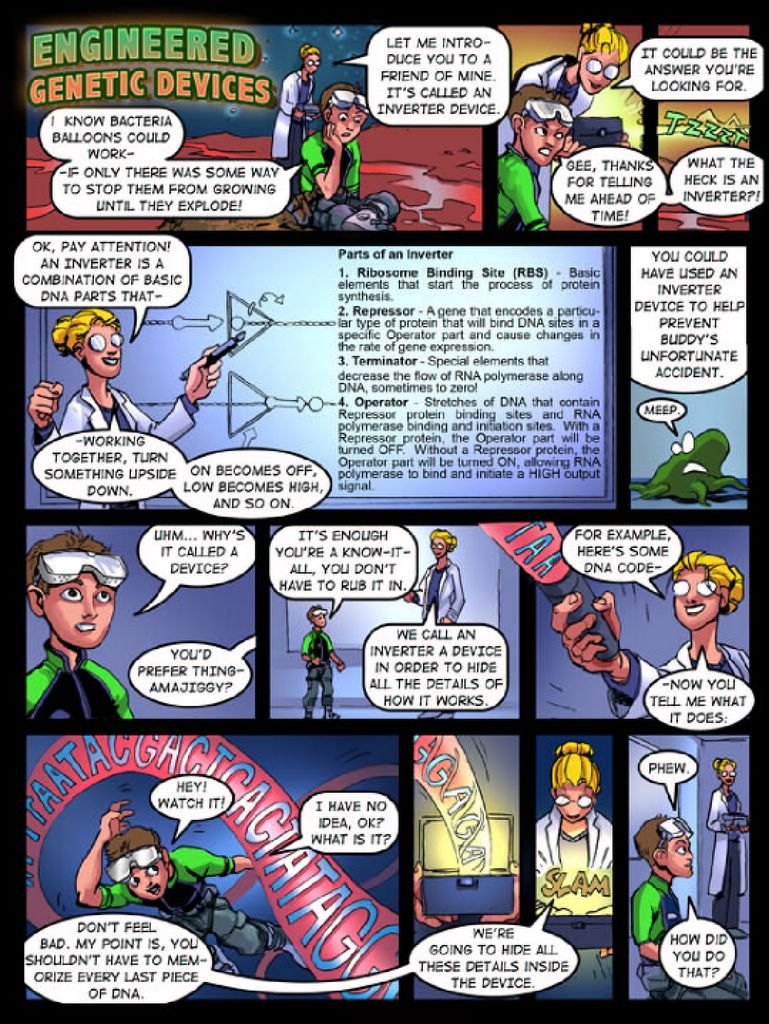
Adventures In Synthetic Biology

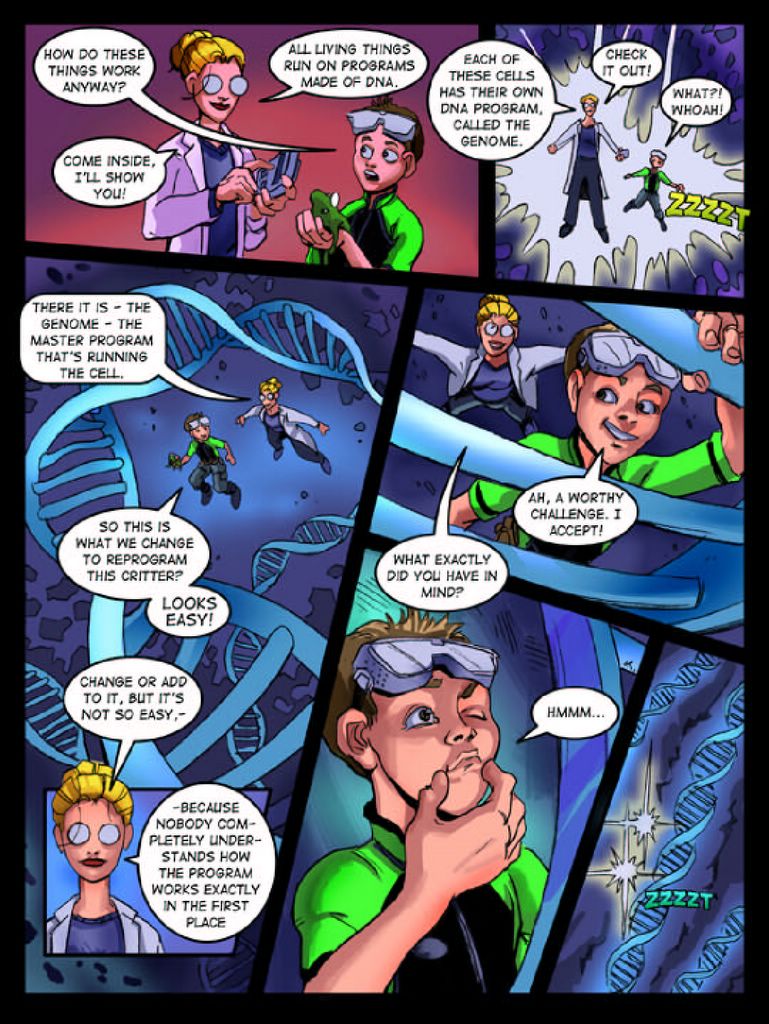
Adventures in Synthetic Biology is a comic that appears on the Nature website and was featured on last weeks cover.


Click image to enlarge

It was drawn by Chuck Wadey and written by Drew Endy and Isodora Deese from the MIT Synthetic Biology Working Group. They even explain the process of creating a scientific comic in the comic project wiki.

Archaeopteryx Has Dinosaur Feet

A 150-million-year-old fossil of Archaeopteryx, the earliest known bird, may put to rest any scientific doubt that dinosaurs—specifically the group of two-legged meat-eaters known as theropods—gave rise to modern birds.
A Well-Preserved Archaeopteryx Specimen with Theropod Features. Gerald Mayr, Burkhard Pohl, and D. Stefan Peters. Science 310: 1483-1486.
Abstract: A nearly complete skeleton of Archaeopteryx with excellent bone preservation shows that the osteology of the urvogel is similar to that of nonavian theropod dinosaurs. The new specimen confirms the presence of a hyperextendible second toe as in dromaeosaurs and troodontids. Archaeopteryx had a plesiomorphic tetraradiate palatine bone and no fully reversed first toe. These observations provide further evidence for the theropod ancestry of birds. In addition, the presence of a hyperextendible second toe blurs the distinction of archaeopterygids from basal deinonychosaurs (troodontids and dromaeosaurs) and challenges the monophyly of Aves.

Image courtesy G. Mayr/Senckenberg

From the article at National Geographic News by Nicolas Bakalar:

Until recently, the new crow-size specimen was housed in a private collection. It is now owned by the Wyoming Dinosaur Center in Thermopolis. The fossil is the ninth example of Archaeopteryx known to science. (A tenth specimen of a winged dinosaur from a closely related genus also exists.) All ten fossils were found in a limestone deposit near Solnhofen, Germany.

The latest specimen is among the best preserved. It is a slightly broken skeleton in a single slab of pure limestone, showing clear wing- and tail-feather impressions. The skull is the only Archaeopteryx specimen that reveals a bird's-eye view of the species' upper head surface.

Archaeopteryx, the fossil shows, had a hyperextendible second toe. Until now, the feature was thought to belong only to the species' close relatives, the deinonychosaurs. Contrary to all previous reconstructions of Archaeopteryx, the hind toe of the new specimen is not completely reversed to form a "perching" foot as it is in modern birds.

The researchers believe that the fully reversed hind toe in other Archaeopteryx fossils shifted during preservation and never existed in the live animal. Because Archaeopteryx lacked this stabilizing toe, it almost certainly did not habitually perch in trees.

Permian Mass Gas Extinction

The world's largest mass extinction at the end of the Permian period 250 million years ago was probably caused by poisonous volcanic gas, according to this research published today:
Catastrophic soil erosion during the end-Permian biotic crisis. Mark A. Sephton, Cindy V. Looy, Henk Brinkhuis, Paul B. Wignall, Jan W. de Leeuw and Henk Visscher. Geology 33:941–944.

From a press release from the Imperial College London:

Many scientists had previously thought that an asteroid hitting the earth or a deep-sea methane release had caused the extinction, which obliterated more than two-thirds of reptile and amphibian families.


Photograph by Jonathan Blair

However, analysis of a unique set of molecules found in rocks taken from the Dolomites in Italy has enabled scientists to build up a picture of what actually happened. The molecules are the remains of polysaccharides, large sugar-based structures common in plants and soil, and they tell the story of the extinction. The molecules date from the same time as a major volcanic eruption that caused the greatest ever outpouring of basalt lava over vast swathes of land in present day Siberia.

The researchers believe that the volcanic gases from the eruption, which would have depleted earth's protective ozone layer and acidified the land and sea, killed rooted vegetation. This meant that soil was no longer retained and it washed into the surrounding oceans.

Soil materials in the oceans would have blocked out light and soaked up oxygen. Analysis of rock chemistry suggests that after the soil crisis on land, the marine ecosystem succumbed to the stresses of environmental change and oceanic life faltered, completing a global catastrophe.

Read the rest of the article HERE.