Roger Ebert reviews Ben Stein and “Expelled”.
Thanks to Lisa for the link!
Palaeo news has been light and I've been busy so....


 comparative anatomy with the publication of two landmark volumes (in 1828 and 1837) covering the range of existing knowledge of the prebirth developments of vertebrates.
The discovery in China of the oldest known turtle fossil, estimated at 220- million-years-old, gives scientists a clearer picture of how the turtle got its shell.From the press release:


Note: I did try to get a photo of the turtle for the blog. The press release says to contact the Field Museum's press person whose automatic e-mail reply states that they're out of the office until next Monday. Brilliant.
Our old friend Xiao-chun Wu from the Canadian Museum of Nature is a co-author on the paper. They'll have their press release posted tomorrow.
Update: Thanks to Dan at the CMN for the photos!

A new picture of the early Earth is emerging, including the surprising finding that plate tectonics may have started more than 4 billion years ago — much earlier than scientists had believed."We are proposing that there was plate-tectonic activity in the first 500 million years of Earth's history," said geochemistry professor Mark Harrison.
 regions revealed a wealth of cultural, archaeological and palaeontological wonders.
 some of the most important principles of modern geology. He was Danish royal anatomist for 2 years.
Clues to how animals switched from laying eggs to live birth may be found in the well-studied fruit fly’s ecology and genes.The fly is one of a dozen species of Drosophila to have recently had their genomes sequenced, information that should provide abundant opportunities for identifying genetic changes that cause females of this species, and not others, to retain their fertilized eggs until they are ready to hatch.


Ilustration of the oldest known aquatic turtle's habitat 160 million years ago on the Isle of Skye, Scotland

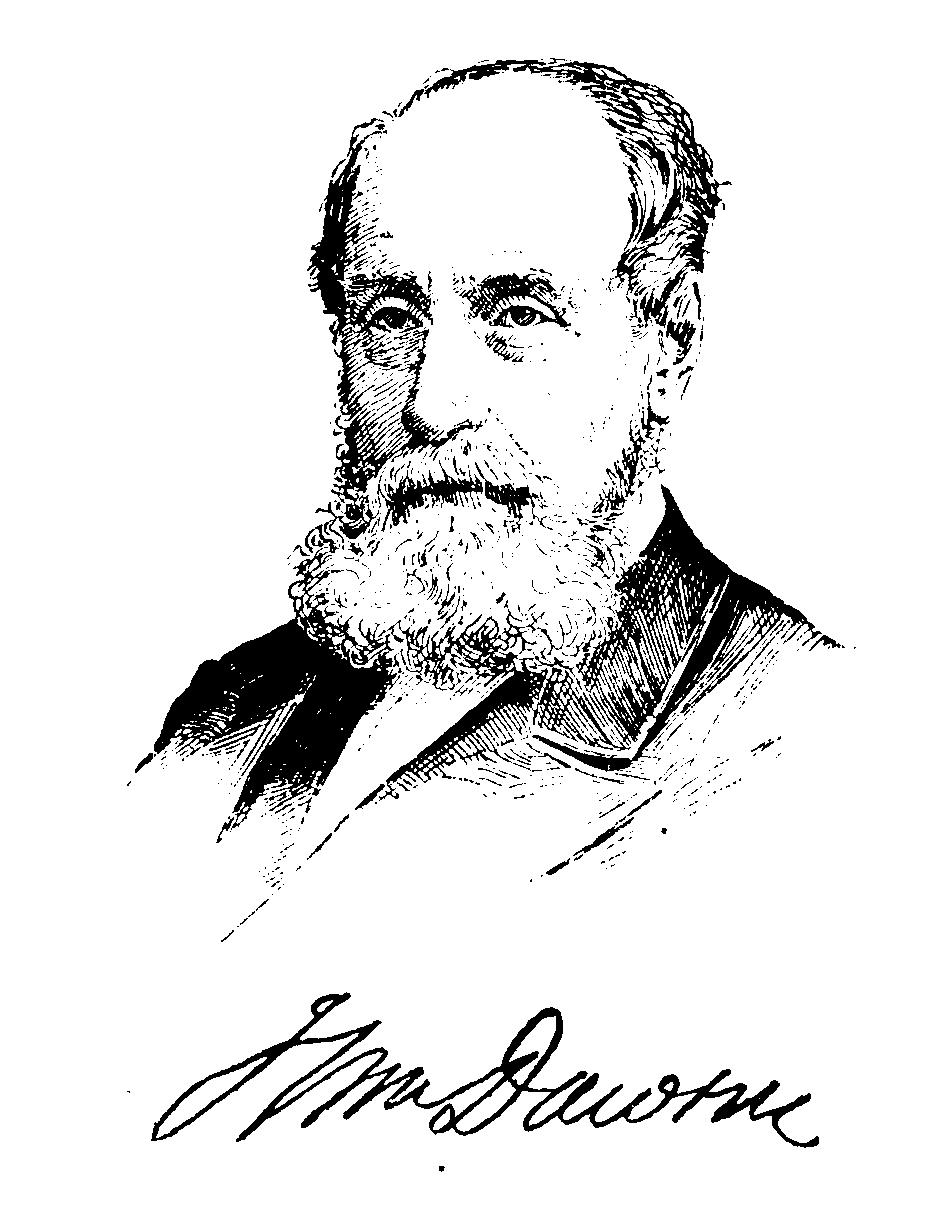
 and extended the knowledge of Canadian geology. Dawson was born and raised in Pictou, Nova Scotia, where the many sandstone and coal formations provided fertile ground for his first scientific explorations, which culminated in the publication of Acadian Geology. He made many important discoveries of fossil life, great and small. These included fossil plants, trackways of lowly invertebrates, footprints, skeletons of reptiles and amphibians, millipedes and the earliest land snails. When the famous geologist Charles Lyell visited coal deposits in Pictou, Dawson acted as his guide.
 Nova Scotia. They discovered the remains of some of the earliest known reptiles, Hylonomus lyelli, along with other rare fossils, propelling this part of the world into the international spotlight.

Scientists have completed the first genome-wide sequence of an extinct animal - the woolly mammoth. They sequenced four billion DNA bases using next-generation DNA-sequencing instruments and a novel approach that reads ancient DNA highly efficiently.The dataset is 100 times more extensive than any other published dataset for an extinct species, demonstrating that ancient DNA studies can be brought up to the same level as modern genome projects.


The partial leg bone of a sabre-toothed cat, Homotherium crenatidens, has been dredged from the seabed by a trawler in the North Sea.The fossil, which is between one and two million years old and was found near the UK coast, is from a type of sabre-tooth called a scimitar cat. It is the furthest north this species has ever been found, and the first time remains have come from the North Sea.


Scientists have found that the mineral kingdom co-evolved with life, and that up to two thirds of the more than 4,000 known types of minerals on Earth can be directly or indirectly linked to biological activity.From the press release:


Discovery of the most intact female pelvis of Homo erectus may cause scientists to reevaluate how early humans evolved to successfully birth larger-brained babies.From the press release:


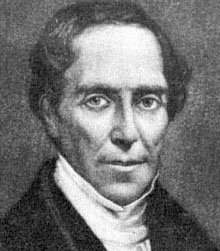 and he had discovered bones belonging to three extinct species: a giant crocodile, a plesiosaur, and Buckland's Megalosaurus. But in 1822 he found several teeth that "possessed characters so remarkable" that they had to have come from a fourth and distinct species of Saurian. After consulting numerous experts, Mantell finally recognized that the teeth bore an uncanny resemblance to the teeth of the living iguana, except that they were twenty times larger.


 Between 1854 and 1862, Wallace assembled evidence of natural selection in the Malay Archipelago, sending his conclusions to Darwin in England. Their findings were jointly presented to the Linnaean Society in 1858. Wallace found that Australian species were more primitive, in evolutionary terms, than those of Asia, and that this reflected the stage at which the two continents had become separated. He proposed an imaginary line (now known as Wallace's line) dividing the fauna of the two regions.
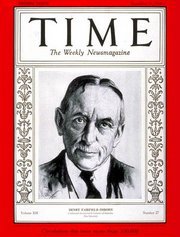 Returning to the United States, Osborn accepted a position at Princeton, teaching natural sciences from 1881 until 1891, when he moved to Columbia University to organize the Biology Department there, and in 1891, he also helped to organize the Department of Vertebrate Paleontology at the American Museum of Natural History acting as it’s first curator. Osborn's close association with American Museum continued for over 45 years, and included a long tenure as its President, 1908-1933. During these years the museum's collections expanded enormously and it became one of the preeminent research institutions for natural history in the world.