Thursday, April 13, 2006

Aggressive Bluebirds Affect Their Evolution

Aggressive behaviour affects selection on morphology by influencing settlement patterns in a passerine bird. 2006. Renée A. Duckworth. Proceedings of the Royal Academy B. Early on-line publication.
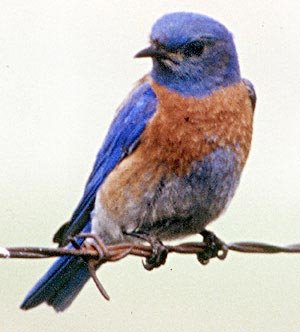
In findings that may offer insight into how evolution operates, a Duke University evolutionary ecologist reported evidence that aggressive male western bluebirds out-compete less aggressive males for preferred breeding territories.
From the Duke University press release:

Duckworth found that more-aggressive and milder mannered birds also tended to breed in different settings that favor different body types. This study suggests the birds may play more active roles in their own natural selection than traditional models of evolution would support.

"The traditional view of evolution is that organisms are passive creatures on which natural selection operates," said Duckworth. "[but] by selecting the environment in which they live, animals can actively affect the natural selection they experience," Duckworth said.

“The main message of this study is that the ability of organisms to choose their environment needs to be made a more explicit part of evolutionary theory."

Read the rest of the article HERE.
Western Bluebird from HERE

Wednesday, April 12, 2006

Oldest Australopithecus Found In Ethiopia

Asa Issie, Aramis and the origin of Australopithecus. 2006. Tim D. White et al., Nature 440: 883-889.


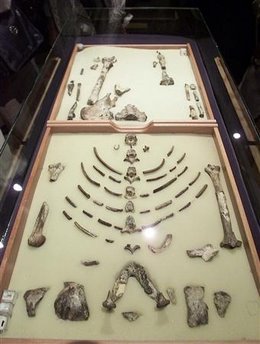
Image from HERE

Abstract: The origin of Australopithecus, the genus widely interpreted as ancestral to Homo, is a central problem in human evolutionary studies. Australopithecus species differ markedly from extant African apes and candidate ancestral hominids such as Ardipithecus, Orrorin and Sahelanthropus. The earliest described Australopithecus species is Au. anamensis, the probable chronospecies ancestor of Au. afarensis. Here we describe newly discovered fossils from the Middle Awash study area that extend the known Au. anamensis range into northeastern Ethiopia. The new fossils are from chronometrically controlled stratigraphic sequences and date to about 4.1–4.2 million years ago. They include diagnostic craniodental remains, the largest hominid canine yet recovered, and the earliest Australopithecus femur. These new fossils are sampled from a woodland context. Temporal and anatomical intermediacy between Ar. ramidus and Au. afarensis suggest a relatively rapid shift from Ardipithecus to Australopithecus in this region of Africa, involving either replacement or accelerated phyletic evolution.

From the UC – Berkeley press release:
New fossils discovered in the Afar desert of eastern Ethiopia are a missing link between our ape-man ancestors some 3.5 million years ago and more primitive hominids a million years older.
The fossils are from the most primitive species of Australopithecus, known as Au. anamensis, and date from about 4.1 million years ago, said Tim White, one of the team's leaders. The hominid Australopithecus has often been called an ape-man because, though short-statured, small-brained and big-toothed, it walked on two legs unlike the great apes.

More primitive hominids in the genus Ardipithecus date from between 4.4 million and 7 million years ago and were much more ape-like, though they, too, walked on two legs.

"This new discovery closes the gap between the fully blown Australopithecines and earlier forms we call Ardipithecus," White said. "We now know where Australopithecus came from before 4 million years ago."

"It is fair to say that some species of Ardipithecus gave rise to Australopithecus," he said.

In all, teeth and jawbones of eight individuals were found at Asa Issie, all from about 4.1 million years ago as dated by paleomagnetic and argon-argon methods. A partial thigh bone and hand and foot bones were very similar to the Lucy bones found 60 kilometers away in Hadar and dating from 3 million to 3.4 million years ago. The large, thick-enameled teeth were judged by the research team to be closest to Au. anamensis, and ancestral to Au. afarensis.

Congradulations to the CMNH's Dr. Yohannes Haile-Selassie who is a co-author on the paper.

Read the rest of the article HERE.

Died This Day: Edward Drinker Cope

July 28, 1840 – April 12, 1897


Art © Mark Schultz

From NiagaraMuseum.com:
"What truly assured Cope's (above right) place in the history of paleontology and even eclipsed his science was his bitter feud with Yale University paleontologist O.C. Marsh (above left). What began as a friendly rivalry in the late 1860s, broke out into all out war in 1872 and then raged on until Cope's death in 1897. Both Cope and Marsh were recipients of family fortunes and they used their wealth to discover new fossils and to reconstruct ancient life. This scramble literally propelled American science into the forefront of paleontology."
Read about Cope HERE.

New Biggest T. rex Skull


Photo by John Little. © Montana State University 2005

From the Montana State University press release:
The world's largest Tyrannosaurus rex skull, unearthed nearly 40 years ago in eastern Montana, is now on display at the Museum of the Rockies at Montana State University in Bozeman.
The skull measures measures 59 inches long from its snout to the back of its skull. By the same standard, the Field's Sue is a close runner-up at 55.4 inches long according to Jack Horner, the Museum's curator of paleontology.

Skull fragments from the specimen, known as MOR 008, were found in the Hell Creek Formation near Billings in the late 1960s and collected by Bill McMannis, an MSU geologist. Museum preparator Carrie Ancell began their reconstruction in the late 1980s, and preparator Michael Holland finished the job this year.

A single vertebra is the only other piece of MOR 008 that has been found besides the skull.

"We are going to try and figure out how old the animal was when it died by using histology, the study of the microscopic structure of fossil remains," Horner said. "The specimen contains several characteristics that suggest this individual was mature, and perhaps quite old when it died."

MOR 008 is one of three T-rex skulls in the Museum of the Rockies collection, all of which are on display in the Hall of Horns and Teeth. All of them were found in Montana. The Museum has part of twelve T-rexes, more than any other institution in the world.

Tuesday, April 11, 2006

Harryhausen Interview


Ray Harryhausen talked with Christopher Bahn of The A.V. Club about his life and his new book, The Art Of Ray Harryhausen, which looks back at his career from his high-school days building mammoths out of his mother's discarded fur coat to his latest work as a bronze sculptor.

Bahn also blogs at Incoming Signals which always features links to lots of great stories and arcane trivia.

I meant to post this a few weeks ago when it went up but it got lost in the shuffle. Thanks to good buddy Eric Snively for letting me know about this.

Crisis? What Crisis?

Global Warming and Extinctions of Endemic Species from Biodiversity Hotspots. 2006. J.R. Malcolm et al., Conservation Biology 20: 538
The Earth could see massive waves of species extinctions around the world if global warming continues unabated, according to a new study published in the scientific journal Conservation Biology.

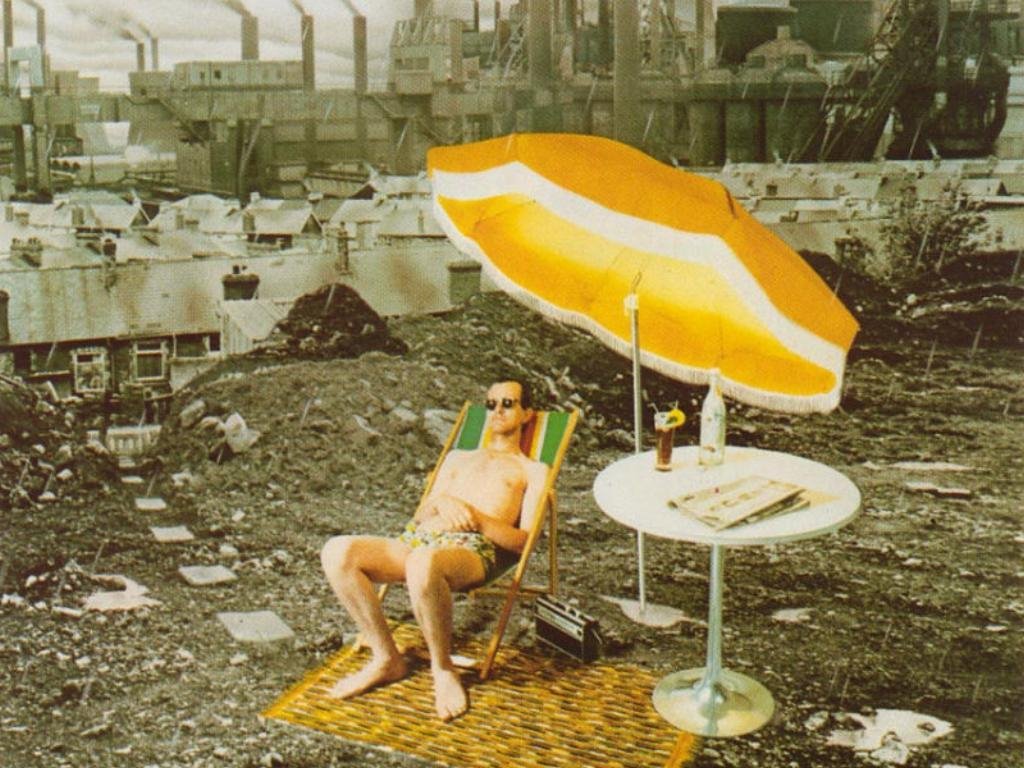
Supertramp from HERE.

From the Conservation Biology press release:

The study expands on a much-debated 2004 paper published in the journal Nature that suggested a quarter of the world's species would be committed to extinction by 2050 as a result of global warming. The results reinforce the massive species extinction risks identified in the 2004 study.

Using vegetation models, the research is one of the first attempts to assess the potential effects of climate change on terrestrial biodiversity on a global scale rather than just looking at individual species. Scientists looked specifically at the effect that climate change would have on 25 of the 34 globally outstanding "biodiversity hotspots" – areas containing a large number of species unique to these regions alone, yet facing enormous threats.

"The hotspots studied in this paper are essentially refugee camps for many of our planet's most unique plant and animal species. If those areas are no longer habitable due to global warming then we will quite literally be destroying the last sanctuaries many of these species have left."


Image from HERE.

Areas particularly vulnerable to climate change include the tropical Andes, the Cape Floristic region of South Africa, Southwest Australia, and the Atlantic forests of Brazil, Paraguay and Argentina.

Monday, April 10, 2006

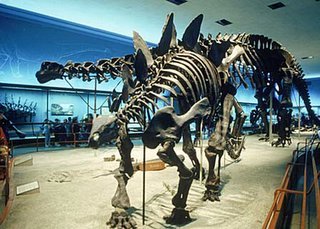
An Oscar Mayer Stegosaurus

It must have been a slow news day at the THE PUEBLO CHIEFTAIN but Scott Smith whipped up a story on Stegosaurus.

He even got some great quotes from Ken Carpenter.


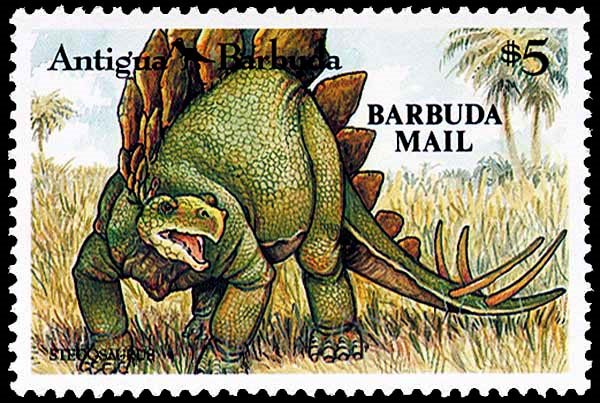
Image from HERE.

The Stegosaurus also happens to be Colorado's official state fossil. So please take the time to learn a little more about one of the earliest inhabitants of our neighborhood . . .

But does that mean that the Stegosaurus was stupid? No one really knows for sure, but Ken Carpenter, dinosaur expert at the Denver Museum of Nature & Science, put it this way:

"Smart is a relative term," he said. "Compared to a bacteria, (stegosaurs) were very smart; compared to a dog, they were kind of dumb; compared to sheep . . . well, close. Sheep are really stupid."

OK, so the Stegosaurus was never in danger of being class valedictorian. But Carpenter also noted that the animal's brain - often described as being the size of a walnut, pingpong ball or golf ball - was actually larger than first believed. "Definitely bigger than a walnut," he said.

"It looks like an Oscar Mayer wiener that's bent. It's very long."

Get your Wienermobile facts HERE

Read the rest of the article HERE.

Perils of Field Work


Photo © M. Ryan

The photo of Laonastes that I ran a few days ago reminded me of the above photo I took on July 17 of last year. After a few weeks of field work along the Milk River, David Evans, myself, and the rest of our crew packed up to leave. On that final morning Evans got up the nerve to look under the couch he'd been sleeping on for two weeks and found this. You can even see the cute little toes.

Sunday, April 09, 2006

Piled Higher & Deeper

It's Sunday so let's read the funnies:


© 1997-2002 Jorge Cham. CLICK TO ENLARGE..

© 1997-2002 Jorge Cham. CLICK TO ENLARGE..

© 1997-2002 Jorge Cham. CLICK TO ENLARGE..

The comic strip "Piled Higher and Deeper" has appeared in The Stanford Daily for the past seven years, and in the MIT, Carnegie Mellon University and Caltech newspapers, among others. The author, Jorge Cham, got his PhD in Mechanical Engineering at Stanford University, and is now an "Instructor" at the California Institute of Technology (Caltech).

Thanks to ReBecca Hunt for pointing me to this site.

How Ants Evolved

Phylogeny of the Ants: Diversification in the Age of Angiosperms. 2006. Corrie S. Moreau, et al. Science Vol. 312.: 101 – 104.

From LiveScience.com:
The emergence of flowering plants 100 million years ago may have led to the explosion in ant diversity that occurred around the same time, scientists say.
The 11,800 known species of modern ants probably arose from a single species millions of years ago, but scientists previously knew little about ants' evolutionary history. Researchers analyzed fossilized ants trapped in amber and discovered that the ancestors of modern ants first scurried along the ground 140 to 168 million years ago.

These ants, however, were diversifying at a very slow rate. Then flowers, also known as angiosperms, sprouted onto the scene.

"An event happened 100 million years ago and ants started diversifying like crazy," study co-author Corrie Moreau of Harvard University told LiveScience. "This is also the time when we start seeing the first angiosperm forests."

These forests dropped more litter to the ground, creating more niches and complicated habitats for ants to specialize and diversify in. Today the greatest ant diversity is observed in plant debris and just under the soil. Forest canopies also provided interesting new homes for ants, including some that have learned to glide back to their home tree if the fall.

Other insects experienced a boom with the coming of flowers. These insects also lived among the debris, creating a massive new food source for ants. The flowering plants would make pretty good ant snacks themselves.
Strange Tales © Marvel Comices

Flintstone Chopper


Some Sunday morning fun. Ăœber-rich Canadian toymaker and sometime comic book artist, Todd McFarlane, has a new line of figures due to hit the market soon based on various Hanna-Barbara cartoon characters. Dig the Styracosaurus handle bars on Fred Flintstone’s chopper.

For more pix go HERE.

Saturday, April 08, 2006

The Truth About De-Evolution

"They tell us that we lost our tails
evolving up from little snails
I say that's all just wind in sails
Are we not men?"

Laonastes aenigmamus Not Rare?

From BBC.co.uk:
A rodent that "came back from the dead" after supposedly going extinct millions of years ago appears to be more common than previously thought.

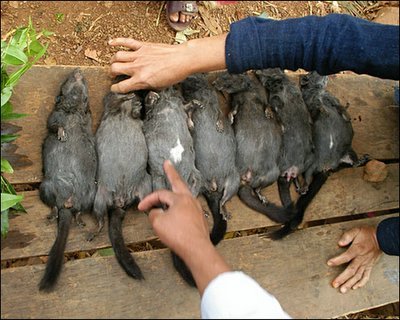
Image: Peter Clyne

The Laotian rock rat, known locally as the kha-nyou, was identified as a species new to science in 2005. It was spotted at a hunter's market in Laos by researchers from the Wildlife Conservation Society (WCS).

A return visit has uncovered more specimens, suggesting the squirrel-like animal may not be that rare. On a recent visit to a hunter's market in Laos, WCS conservationist Peter Clyne found the rats to be quite common, photographing several specimens."

The creature was originally thought to belong to an entirely new rodent family more closely related to rodents in Africa and South America than in Asia. However, after a detailed search through the fossil records of the Natural History Museum in London, the mammal is now believed to be the sole survivor of an ancient group of rodents that died out 11 million years ago.

Friday, April 07, 2006

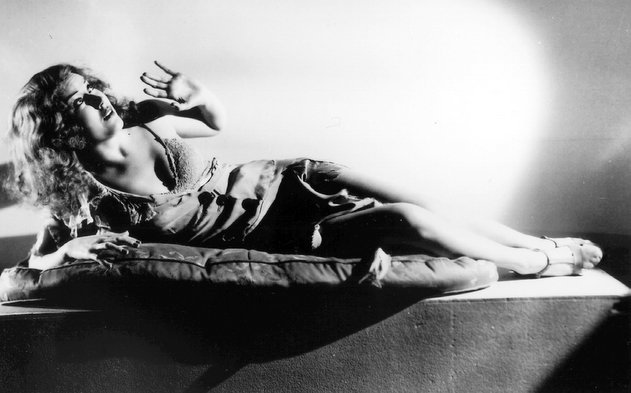
Canada Post To Issue Fay Wray Stamp

The Fay Wray stamp will be available for sale in post offices across the country on May 26, 2006, as part of a set celebrating Canadians in Hollywood.
Born in Cardston, Alberta in 1907, Fay Wray later moved to Arizona. At the age of 14, she went to California dreaming of a movie career and before long, began picking up small parts in westerns and comedy shorts. In 1926, Erich von Stronheim cast Wray as the female lead in The Wedding March – her own all-time personal favourite role. Shortly after, she played opposite Gary Cooper in the war drama, Legion of the Condemned and was re-teamed with him for 1928's The First Kiss.


Image from HERE

But it was the classic "beauty and the beast" film, King Kong (1933) that secured Fay Wray's place in film history. Wray was cast as an actress who becomes the love object of a monster gorilla. After a rampage in the streets of New York, Kong scales the Empire State Building with Fay Wray in his hairy hands.

Following her retirement from acting, Wray turned to producing plays and writing short stories and her autobiography. According to Wray's biography notes on Yahoo!® Movies, Wray came to terms with the original source of her fame and her reputation as one of Hollywood's original "scream queens" and grew to look fondly on her simian co-star and the magical cinematic accomplishments of King Kong.

After her death in August 2004, at the age of 96, the lights at the Empire State Building were dimmed in her memory.

"Dark State" DNA + H20 = Life

Chemists at Oregon State University have pioneered a controversial theory about how supposedly-stable DNA bases can be pushed into a "dark state" in which they are highly vulnerable to damage from ultraviolet radiation – an idea that has challenged some of the most basic concepts of modern biochemistry.
The findings could help explain how the presence of water was the key to the evolution of life on Earth, making it possible for life to emerge from what was once a hostile and unforgiving primordial soup of chemicals and radiation.

A study proving the existence of this "dark state" was published by OSU researchers in the Journal of Physical Chemistry – even though other journals had repeatedly rejected the findings because they were too radical. But studies at OSU, which were done with highly sophisticated electron spectroscopy, showed that the alleged stability of the nucleic acid bases in DNA is largely a myth.


"In their biological form, surrounded by other hydrogen-bonded bases, it's true that the nucleic acids which make up DNA are stable," Kong said. "But we found that living things, in their totality, provide an environment which creates that stability, through attachments within base pairs and/or with neighboring bases. These attachments allow damaging photonic energy to be released as heat. But a DNA base as an isolated molecule, just by itself, does not have that stability."

In a compelling experiment, OSU scientists probed the fate of nucleic acid bases after laser irradiation in the ultraviolet range. They found that the molecules – which react extraordinarily fast to ultraviolet light insults – could by themselves spend 20-300 nanoseconds in an unstable, vibrating "dark state" in which they could easily mutate and not fully recover from photonic damage.

"When the bases of DNA were first being formed billions of years ago, the atmosphere was actually quite hostile," Kong said. "It was a period prior to any protective ozone layer on Earth and the ultraviolet radiation was very strong. So if primordial DNA bases were forced into this vulnerable dark state, they should have incurred large amounts of photochemical damage that would have made the very survival of these bases difficult, let alone further evolution of life."

Except for one other finding, that is:

According to OSU research, the "dark state" essentially disappears in the presence of water.
So if water were present, the earliest DNA bases would have been able to survive and eventually help form the basis for ever-more-complex life forms.

"What this is really telling us is that life is a unified process," Kong said. "It's not just a group of DNA bases, but it's also the physical environment in which they exist. Later on, as life became more evolved, there were other ways to achieve genetic stability. But at first, it simply may not have been possible without water."

Thursday, April 06, 2006

Evolution of 'Irreducible Complexity' Explained

Evolution of Hormone-Receptor Complexity by Molecular Exploitation. 2006. Jamie T. Bridgham, et al. Science 312: 97 – 101.


Image © Moebius.

From the University of Oregon press release:
Using new techniques for resurrecting ancient genes, scientists have for the first time reconstructed the Darwinian evolution of an apparently "irreducibly complex" molecular system.
The scientists used state-of-the-art statistical and molecular methods to unravel the evolution of an elegant example of molecular complexity – the specific partnership of the hormone aldosterone, which regulates behavior and kidney function, along with the receptor protein that allows the body's cells to respond to the hormone. They resurrected the ancestral receptor gene – which existed more than 450 million years ago, before the first animals with bones appeared on Earth – and characterized its molecular functions. The experiments showed that the receptor had the capacity to be activated by aldosterone long before the hormone actually evolved.

"Our work demonstrates a fundamental error in the current challenges to Darwinism," said Thornton. "New techniques allowed us to see how ancient genes and their functions evolved hundreds of millions of years ago. We found that complexity evolved piecemeal through a process of Molecular Exploitation -- old genes, constrained by selection for entirely different functions, have been recruited by evolution to participate in new interactions and new functions."

Thornton's group then showed that the ancestral receptor also responded to a far more ancient hormone with a similar structure; this made it "preadapated" to be recruited into a new functional partnership when aldosterone later evolved. By recapitulating the evolution of the receptor's DNA sequence, the scientists showed that only two mutations were required to evolve the receptor's present-day functions in humans.

"The stepwise process we were able to reconstruct is entirely consistent with Darwinian evolution," Thornton said. "So-called irreducible complexity was just a reflection of a limited ability to see how evolution works. By reaching back to the ancestral forms of genes, we were able to show just how this crucial hormone-receptor pair evolved."

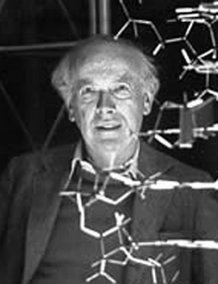
Born This Day: James Watson

From Today In Science History:

Watson was born on this day in 1928. An American geneticist and biophysicist, he shared the 1962 Nobel Prize for Physiology or Medicine (with Francis Crick and Maurice Wilkins) for the discovery of "the molecular structure of nucleic acids and its significance for information transfer in living material." Deoxyribonucleic acid (DNA) is the substance contained in cells that controls heredity.

Crick and Watson began their collaboration in 1951, and published their paper on the double helix structure on 2 Apr 1953 in Nature. This accomplishment became a cornerstone of genetics and was widely regarded as one of the most important discoveries of 20th-century biology.
Image from HERE.

Created This Day: The AMNH


Image from HERE.

Read about it HERE.

Paleolimnology: How To Walk On Water

Is there a paleolimnological explanation for “walking on water” in the Sea of Galilee? by Doron Nof, et al. Journal of Paleolimnology 35: 417-439.

From the FSU press release:
The New Testament story describes Jesus walking on water in the Sea of Galilee but according to a study led by Florida State University Professor of Oceanography Doron Nof, it's more likely that he walked on an isolated patch of floating ice.
The study points to a rare combination of optimal water and atmospheric conditions for development of a unique, localized freezing phenomenon that Nof and his co-authors call "springs ice."

In what is now northern Israel, such ice could have formed on the cold freshwater surface of the Sea of Galilee –– known as Lake Kinneret by modern-day Israelis –– when already chilly temperatures briefly plummeted during one of the two protracted cold periods between 2,500 and 1,500 years ago.

A frozen patch floating on the surface of the small lake would have been difficult to distinguish from the unfrozen water surrounding it. The unfrozen water was comprised of the plumes resulting from salty springs situated along the lake's western shore in Tabgha –– an area where many archeological findings related to Jesus have been documented.

"As natural scientists, we simply explain that unique freezing processes probably happened in that region only a handful of times during the last 12,000 years," Nof said. "We leave to others the question of whether or not our research explains the biblical account."

It isn't the first time the FSU researcher has offered scientific explanations of watery miracles. As a recognized expert in the field of oceanography and limnology –– the study of freshwater, saline and brackish environments –– Nof made waves worldwide in 1992 with his oceanographic perspective on the parting of the Red Sea.

Hagryphus giganteus


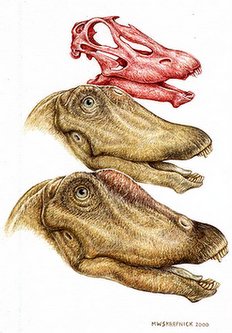
Image of Nomingia (not Hagryphus) © Mike Skrepnick

From Yahoo News.com:

Fossils discovered in southern Utah are from a new species of birdlike dinosaur that resembled a 7-foot-tall brightly colored turkey and could run up to 25 mph.

Fossils of the hand-like claw and foot of Hagryphus giganteus were found in the Grand Staircase-Escalante National Monument near the Arizona border. Smaller variations of the dinosaur had been found previously in Montana, South Dakota and the Canadian province of Alberta.

"This is the southernmost occurrence of this group of ‘raptors’, and it's about two times the size of the ones up north," said Lindsay Zanno, a doctoral student at the University of Utah who named the new dinosaur last December.

The dinosaur had a strong toothless beak, powerful arms and formidable claws that made it capable of eating animals and plants. Large feathers grew on its hind end, giving it a resemblance to a turkey.

Mike Getty, collections manager at the university's Museum of Natural History, found the fossils in 2001. Scientists needed several years to excavate the fossils and publish their findings, he said.

Stormer's Spinosaurus Found


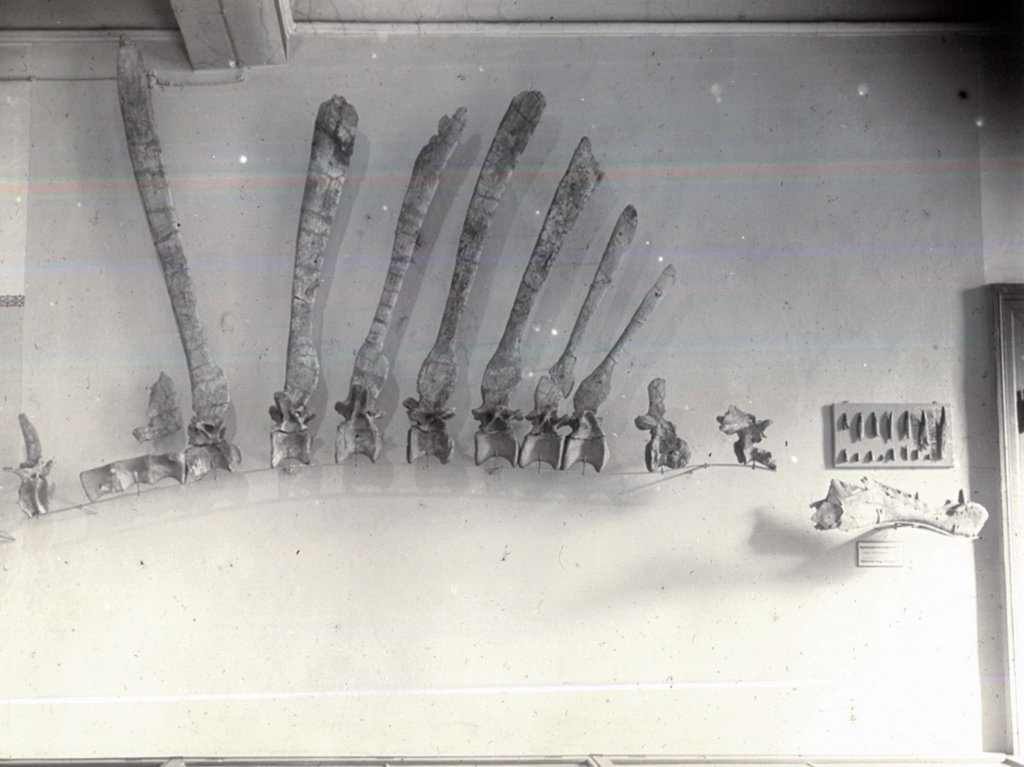
This photograph of Spinosaurus found by Josh Smith in a German museum is the only photographic proof of German researcher Ernst Stromer's discovery of this now famous [post-Jurassic Park III] dinosaur. All but Stromer's drawings of his find were lost when the Allies bombed the Munich museum where the materials were held. The photo is significant historically but also as a comparison of Stromer's drawing for a significant understanding of the species' skeleton.

Smith reports in an upcoming issue of the Journal of Paleontology of the rediscovery of two photographs of the holotype of Spinosaurus aegyptiacus as it was reposited in the Palaontologische Staatssammlung Munchen prior to 1944, and later presumably lost in the Allied bombing.

In June, 2000, while researching in Germany, Smith happened upon the photographs in the Palaontologische archives of the Museum, after Ernst Stromer's son, Wolfgang Stromer, donated them to the museum in 1995.

"These are, to our knowledge, the only surviving photographs of this, the one irrefutable specimen of S. aegyptiacus, which, prior to the initial print releases, has only been represented by Stromer's drawings," said Smith. "This is a significant find from the perspective of the history of paleontology."

Wednesday, April 05, 2006

Tiktaalik roseae, New Fish-Like Tetrapod

A Devonian tetrapod-like fish and the evolution of the tetrapod body plan. 2006. Edward B. Daeschler, et al. Nature 440: 757-763


Illustration by Shawn Gould, © National Geographic Society

Abstract: The relationship of limbed vertebrates (tetrapods) to lobe-finned fish (sarcopterygians) is well established, but the origin of major tetrapod features has remained obscure for lack of fossils that document the sequence of evolutionary changes. Here we report the discovery of a well-preserved species of fossil sarcopterygian fish from the Late Devonian of Arctic Canada that represents an intermediate between fish with fins and tetrapods with limbs, and provides unique insights into how and in what order important tetrapod characters arose. Although the body scales, fin rays, lower jaw and palate are comparable to those in more primitive sarcopterygians, the new species also has a shortened skull roof, a modified ear region, a mobile neck, a functional wrist joint, and other features that presage tetrapod conditions. The morphological features and geological setting of this new animal are suggestive of life in shallow-water, marginal and subaerial habitats.


© credit Kalliopi Monoyios.

From National Geographic New.com:
A new fish-like tetrapod has been found in the 375 million year old Devon rocks of the Canadian Arctic.
The 3 metre-long new species, Tiktaalik roseae, had a flattened, crocodile-like head and strong, bony leg-like fins. Ellesmere Island is more than 970 kilometers north of the Arctic Circle in Canada's Nunavut territory.

The creature is being hailed as a crucial missing link between fish and land animals—including the prehistoric ancestors of humans. The fish shows other features characteristic of land animals, including ribs, a neck, and nostrils on its snout for breathing air.

Researchers say the fish shows how fins on freshwater species first began transforming into limbs some 380 million years ago. The change was a huge evolutionary step that opened the way for vertebrates—animals with backbones—to emerge from the water.

The discovery marked the culmination of a five-year, 650 kilometer fossil hunt across the Arctic's frozen tundra.

Shubin says the fish's wide head and sharp teeth suggest it hunted much like a crocodile and that it also breathed air. "Look at the side of the snout. It has a nice big pair of external nostrils," he said. The creature's long snout seems to be adapted for snapping at prey and hunting with its head above water like a crocodile, Clack said.

The paleontologists say the new fish form goes a long way toward filling the evolutionary gap between fish and the earliest amphibians.

"Our remote ancestors were large, flattish, predatory fishes," they write. "Strong limblike pectoral fins enabled them to haul themselves out of the water."

Monday, April 03, 2006

More Various Drawings From Mark Schultz


Art © Mark Schultz

This summer in the second volume of the ongoing "Various Drawings" series, Mark Schultz gives us a dynamic new collection of illustrations. Examples feature Schultz’s work for comics, private commissions, and stunning new works created especially for this book. Schultz takes you through the stages of the drawing process, from concept to finish. Several mediums are explored. Pencil, brush and ink, and Wolff pencil are employed to delineate his subjects.

Showcased with over 50 drawings, the majority of the book features his most recent works including new illustrations from the world of Xenozoic Tales. A special gatefold features an incredible private commission of a thirties-style Sunday newspaper strip that harkens back to the work of Alex Raymond.

The hardbound edition is limited to 1000 copies. Exclusive to this edition is a bound in plate reproducing an unpublished piece done in Wolff pencil. Each copy is numbered and signed.

48 pages, 8.5”x 11”. $19.95 softbound trade edition, ISBN: 1-933865-00-8
$29.95 hardbound limited signed edition, ISBN: 1-933865-01-6. You can order it up from Flesk Publications.

Sunday, April 02, 2006

No Sauropod Proboscis

Paleoneurological evidence against a proboscis in the sauropod dinosaur Diplodocus. 2006. Fabien Knoll et al. Geobios 39: 215-221.

Abstract: The dinosaur Diplodocus has a single, relatively large external bony narial orifice that is positioned far back between the orbits. In some mammals, such as elephants and tapirs, the caudal position of the narial opening is associated with a proboscis, so it has been suggested that Diplodocus possibly also had a trunk. In elephants, the facial nerve is large as it emerges from the brain. A branch of this nerve and a branch of the trigeminal nerve unite to form the proboscidial nerve that supplies the muscles of the powerful and complex motor system of the trunk. In contrast to the situation in modern elephants, the absolute as well as the relatively small size of the facial nerve in Diplodocus (deduced from an endocranial cast) indicates that there is no paleoneuroanatomical evidence for the presence of an elephant-like proboscis in this genus.

But, to go back to where this work started be sure to read this article:

Nostril Position in Dinosaurs and Other Vertebrates and Its Significance for Nasal Function.2001. Lawrence M. Witmer. Science Vol. 293: 850 – 853.

Abstract: Many dinosaurs have enormous and complicated bony nasal apertures. Functional interpretation requires knowledge of the location of the external opening in the skin. Traditionally, the fleshy nostril of dinosaurs has been placed in the back of the bony opening, but studies of extant dinosaur relatives suggest that it is located far forward. Narial blood supply and cavernous tissue corroborate the rostral position in dinosaurs. A rostral nostril was, and remains, a virtually invariant rule of construction among Amniota, which has consequences for (i) nasal airstreaming, and hence various physiological parameters, and (ii) the collection of behaviorally relevant circumoral odorants.

Illo © Mike Skrepnick from HERE and originally commissioned by Larry for the above Science article.

More on The Hobbits

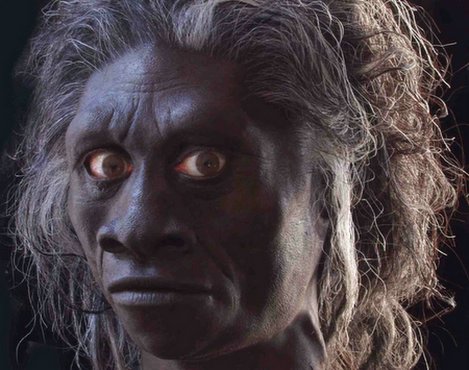
From Scientifican American.com comes a two-part article on the latest word on the human “hobbits”, Homo floresiensis:

“Paleoneurologist Ralph Holloway of Columbia University described some curious details of LB1's endocast--the mold of the inside of her braincase that reveals the shape of her brain. He noted the presence of several possibly pathological features in addition to its small size, including an extreme flattening known as platycephaly, as well as the odd protuberance and thinness of brain folds known as the gyri recti, which are located in the prefrontal lobe. He also observed that the prefrontal lobe itself looks significantly smaller than expected for a member of the genus Homo.


But with the exception of the very small size of LB1's brain, none of these unusual traits appeared in the nearly 20 microcephalics he has examined. Holloway could not rule out the possibility that LB1 had a form of microcephaly, however. The hypothesis that she suffered from some kind of disease deserves serious consideration and should be investigated further, in his view.”

Read the rest of the article HERE.

I picked this link up from Carl Zimmer’s excellent blog, “The Loom”. Image from HERE.

The AMNH Dino Bus


From ArtKnowledgeNews.com comes this article:

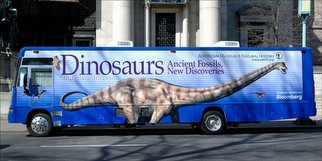
The American Museum of Natural History is taking some of the most exciting discoveries about how dinosaurs behaved, what they looked like, and even how they moved, and is packing it into Dinosaurs: Ancient Fossils, New Discoveries, the Museum's newest Moveable Museum, where it will travel to schools and communities throughout the New York City area. Dinosaurs: Ancient Fossils, New Discoveries, based on the Museum's recent blockbuster exhibition of the same name, is a 37-foot-long converted recreational vehicle with an exterior graphic of a nearly life-size image of a fully-fleshed, long-necked Apatosaurus and equipped inside with hands-on fossil specimens, captivating video presentations, computer interactives, and a diorama depicting feathered dinosaurs from Liaoning, China.

This new Moveable Museum made its official debut in the Bronx with third-graders from P.S. 304 and fifth-graders from M.S. 101, both affiliated with the Kips Bay Boys and Girls Club. The Moveable Museums, which visit more than 300 schools and community sites every year, have served more than a quarter of a million visitors since the program's establishment in 1993.

All school groups who visit the Dinosaurs: Ancient Fossils, New Discoveries Moveable Museum are given a "Field Journal" that, through a series of questions and activities, guides their visit and allows them to capture their experience in sketches and notes.

A big thanks to Charley Parker at Linesandcolors.com for this link.

Today In History: DNA Double Helix Described

Read about it HERE.

Saturday, April 01, 2006

Commercial vs. Amateur Collectors

J. CHRIS SAGEBIEL, Curator of Geology, for the San Bernardino County Museum, Redlands responds to a recent editorial in the LA Times:

"The proposed gentleman's agreement between paleontologists and commercial collectors is based on ignorance of natural history museums and science. A natural history museum is a different beast from an art or history museum. Natural history museums maintain paleontology collections because fossils are scientific data. Science is an ongoing process of investigation and depends on continued access to this data. Museum collections are invaluable libraries of three-dimensional objects available forever for research, education and public enjoyment.

In contrast, the goal of commercial collection is the removal of specimens from public access — ironically, rendering them worthless. Commercial collecting is thus incompatible with science. Your proposal is akin to removing writing from history on the argument that a story can have no value beyond its first telling.

Far from being a boon, commercial collection places financial strain on museums. Eventually, every privately owned fossil loses its charm or passes to an indifferent heir, and a well-meaning individual brings the fossil to a museum. It then befalls the museum to expend its limited resources conserving the object and its data. Whatever an individual pays to buy a fossil, the taxpayer eventually pays tenfold. I have yet to meet the commercial collector who contributes to the public trust a fraction of what he takes.


The editorial confuses commercial and private amateur collectors. Amateur collectors work with museums and universities to fruitful ends for collector and public alike."

The Lost World


Thanks to Darren Tanke for passing on this ad from Sept. 18, 1925.


Nash The Slash in action!


On Friday night I had the pleasure of sharing a stage with legendary musician Nash The Slash. Nash preformed a live soundscape for a showing of the 1925 silent film, The Lost World, featuring some amazing stop-motion animation by Willis (King Kong) O'brien. Ray Harryhausen had hoped to be at the show and do an introduction for the the movie but could not make it due to scheduling conflicts. Instead Ray sent me a nice fax detailing the influence the film had on his career and asked me to read it on his behalf, which I was a happy to do!

Check out some of Nash's music in the "Film Scores and Soundbites" section of his "gravesite".

More Star-Spangled Dinos from Von Sholly

If you liked the "Star-Spangled Dinosaurs" covers we ran a few weeks ago, you should know that there is now lot's more where they came from.


COMIC BOOK NERD is Pete Von Sholly's take on the fan press phenomenon complete with some glancing blows at the sorry state of the current comics industry. Lampooning eleven major publications like MAD might do or should have done, Pete includes dozens of covers, and has also created ads, letters pages and articles to suit the various magazines featured, and layered in generous amounts of filler and art from his own failed projects. It's done with a mixture of love and bile.

Pete says "I'm sorry if some of it may seem unfair but that's my job." COMIC BOOK NERD is time well wasted! Order it HERE.

And why stop there? Tired of ordinary weird stories? What you need are some Extremely Weird Stories -- and we're here to tell you just where to find them!


Experience horror, babes, and laughs! See monsters from beyond the grave and before the dawn of history! See Scottish Lakes, black magic, and psychotic pseudo-scientists! Musty museums, virtual video vermin, and foul fables! See "things" that crawl and claw from the pages of putrid pulps and under the covers of creepy comics! See stuff you'll hope never sees you!

Don't miss Pete Von Sholly's Extremely Weird Stories! It's just what the mad doctor ordered! SPREAD THE WEIRD! Order it HERE.

Friday, March 31, 2006

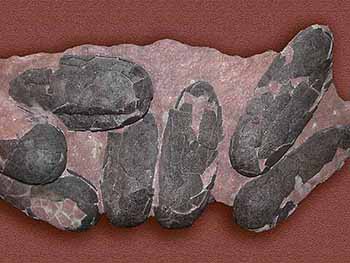
Dinosaur Eggs & Nesting Behaviors

Dinosaur eggs and nesting behaviors: A paleobiological investigation. 2006. Gerald Grellet-Tinner et al. Palaeogeography, Palaeoclimatology, Palaeoecology Vol. 232: 294-321.


Abstract: Although dinosaur eggs were first discovered and identified in the late 1800s, limited attention was given to the scientific value of oological fossils in contrast to observations based on skeletal features. Here, we offer a review of Mesozoic saurischian egg materials, in comparison with extant crocodilians and avians, and their paleobiological interpretation based either on the presence of embryos in ovo or brooding adults on egg clutches.

Our study focuses on the eggs of the oviraptorid Citipati osmolka (Mongolia), the troodontid Troodon formosus (North America), the theropod oospecies Macroelongatoolithus xixiaensis (China), the ornithothoracine bird (Argentina), an indeterminate theropod (Thailand), and titanosaurs (Argentina). Results show that (1) many oological characters and reproductive behaviors associated with modern birds are rooted among non-avian theropods, (2) there is a reproductive evolutionary cline from crocodilians to modern birds with (3) a noticeable pattern of coeval development between the accretion of eggshell layers, origination and size increased of larger air cells (inferred from egg polar asymmetry), and brooding/incubating behaviors.

Most of these pre-adaptations are grouped in two main clades of the saurischian cladogram: one at the level of Oviraptorosauridae and the other at Troodontidae. Although undeniably these two theropod taxa seem to represent two important phases for the evolution of avian reproduction, the phylogenetic distance between these clades and Titanosauria cannot be ignored. As such, the reproductive features that appeared in concert in oviraptorids might have gradually evolved across more basal theropod clades. Although Troodon formosus by its egg shape and nesting behavior seems to be in this study the precursors of modern avian reproduction, the importance of small-bodied theropods such as those who laid the Phu Phok eggs cannot be dismissed and the eggs of such dinosaurs could suggest a closer phylogenetic ties to Aves than troodontids.

At a higher level of inferences, there is a strong possibility that the evolution of these reproductive features is concurrent with profound physiological and metabolic changes that occurred in saurischian dinosaurs throughout their evolution.

Eggs from HERE.

The Emergence of Early Tetrapods

The emergence of early tetrapods. 2006. Jennifer A. Clack. Palaeogeography, Palaeoclimatology, Palaeoecology Vol. 232: 167-189.

Abstract: Study of Devonian tetrapods and their relatives spanning the so-called ‘fish–tetrapod’ transition has expanded almost exponentially in the last 15 years or so. This evolutionary event is now represented by at least nine named genera of Devonian tetrapod, several new ‘near-tetrapods’ and a number of new tetrapods from the Early Carboniferous.

The anatomy of Acanthostega has radically changed ideas about how this transition took place, and more recently the anatomy of Ichthyostega is being reassessed with some startling conclusions such as the unique construction of its ear region. The current state of research on this range of animals is summarized, followed by a consideration of the acquisition of limbs and digits among tetrapods including their possible forerunners, the development of digits and their original function, and the onset of pentadactyly.

The faunal relations and palaeoecological contexts of the Devonian tetrapods are brought together in an initial though necessarily brief survey, followed by an assessment of Devonian tetrapod diversity, which is seen to be much greater than previously realised. Finally, some hopes and ambitions for the future are set out.

Acanthostega from HERE.

Dinosaurs From The Chatham Islands

An Australian-based researcher said that he had found the first proof that land-dwelling dinosaurs lived on remote islands in the south Pacific.
From Yahoo.News:

Jeffrey Stilwell, a fellow in palaeontology at Melbourne's Monash University, said he discovered the fossilized foot, finger and spinal bones of carnivorous dinosaurs on the Chatham Islands, about 850 kilometers east of New Zealand. The discovery confirmed that the Chathams were once connected to New Zealand by a finger-like extension, Stilwell told AFP.

"Prior to our discoveries, only a few isolated examples of dinosaur fossils had been found in the northern part of New Zealand," he said.

"Now we've found dinosaur remains almost 1,000 kilometers east out in the middle of the South Pacific," he said, adding that his team had already uncovered more dinosaur fossils in the Chathams than had been unearthed in New Zealand over the past 25 years.

While some dinosaur remains had been found along the Antarctic peninsula and in South America, this was the first such discovery in the southwest Pacific and is possibly unique in the southern hemisphere, he said. "They were on their own evolutionary path for probably 15 million years since the separation of the Chathams-New Zealand region some 85-80 million years ago," he said.

Stilwell found the first fossils by accident when he visited the Chatham Islands in 2003 in connection to other studies. But he said a subsequent trip to the islands in February yielded a "huge collection" of new fossils, which were still being analyzed.

Map from HERE.

Thursday, March 30, 2006

Today In History: Classification of Geological Eras

From Today In Science History:

In 1759, Italian geologist Giovanni Arduino (1714-1795) dated a letter to Professor A.Vallisneri the younger, in which Arduino proposed a classification of Earth's surface rocks according to four brackets of successively younger orders: Primary, Secondary, Tertiary and Quaternary. These are the four geological eras used today.

The volcanic rocks without fossils which he saw in the Atesine Alps that formed the cores of large mountains he called Primary. Overlying them, the fossil rich rocks of limestone and clay that were found on the prealpine flanks of the mountains he called Secondary. The less consolidated fossil-bearing rocks of the subalpine foothills, he named Tertiary, and the alluvial rock deposits in the plains were the Quaternary.

Image from HERE.

More Evidence Chicxulub Was Too Early

A new study of melted rock ejected far from the Yucatan's Chicxulub impact crater bolsters the idea that the famed impact was too early to have caused the mass extinction that killed the dinosaurs 65 million years ago.
From the GSA press release:

A careful geochemical fingerprinting of glass spherules found in multiple layers of sediments from northeast Mexico, Texas, Guatemala, Belize and Haiti all point back to Chicxulub as their source. But the analysis places the impact at about 300,000 years before the infamous extinctions that mark the boundary between the Cretaceous and Tertiary periods, a.k.a. the K-T boundary.

Using an array of electron microscopy techniques, Markus Harting of the University of Utrecht in the Netherlands has found that chemical compositions of the spherules all match what would be expected of rocks melted at the Chicxulub impact. The spherules are now found in several layers because after they originally hit the ground, they were "reworked" by erosion to create later layers of sediments, he said.

Above these, and younger still, Harting has also identified the famous layer of extraterrestrial iridium in sediments worldwide which was originally touted as the smoking gun for an impact somewhere on Earth at the K-T boundary.

Harting is scheduled to present his latest findings on Monday, 3 April Backbone of the Americas-Patagonia to Alaska. The meeting is co-convened by the Geological Society of America and the AsociaciĂ³n GeolĂ³gica Argentina, with collaboration of the Sociedad GeolĂ³gica de Chile. The meeting takes place 3-7 April in Mendoza, Argentina.

The sediments from the region are also providing clues to what transpired during those 300,000 years between the impact and the K-T boundary die-offs. "Nothing happened between them," said Harting. "The K-T iridium layer is a totally different event."

Disconnecting the Chicxulub impact from the K-T boundary also helps make sense of some other oddities in the iridium layer. In the Gulf of Mexico, close to the impact site, iridium is found at a weak concentration, just one part per billion, says Harting. Yet farther away in Denmark, higher concentrations of iridium are found. "This doesn’t really make sense," he said, unless, of course, the impact and iridium layer are not related.

All this begs the question: What, then, created the worldwide iridium layer, if not a humongous impact? One possibility is that Earth and perhaps the entire solar system was passing through a thick cloud of cosmic dust 65 million years ago.

"You probably have a time when lots of meteorites are coming down and never touching the ground," said Harting. Instead they burned up as "shooting stars," depositing their iridium in the atmosphere. There it was quickly rained out, washed into lakes and oceans and buried in contemporary sediments.

Crater from HERE.

Wednesday, March 29, 2006

Fossilized Embryos

Much of what scientists learn about the evolution of Earth's first animals will have to be gleaned from spherical embryos fossilized under very specific conditions, according to a new study.
From EurekAlerts.com:

Purported animal embryo fossils have been reported continuously over the last 12 years, mainly by paleontologists working in China. Scientists disagree about whether the fossils are actually animal embryos or even if they are animals.


"The fossils look great. The problem is, if you know anything about embryos, their fossilization just doesn't seem likely," said IU Bloomington Professor of Biology Rudolf Raff, one of the report's authors. "It's like trying to fossilize soap bubbles. Some investigators showed that these fossils are being preserved with calcium phosphate, but they haven't explained how embryos could survive long enough for that to happen. We do that."

The dead spherical embryos do not last long under normal seawater conditions. If the cell's own degradation processes don't destroy it, nearby bacteria will. The embryos must die in the presence of a so-called "reducing" substance, such as hydrogen sulfide. Such reducing substances slow or stop the internal degradation processes that occur very soon after cells die and also inhibit voracious bacteria.

Hydrogen sulfide is known to have been present in the environment half a billion years ago, at the time of the animal kingdom's origin, and when the embryos died, because sulfur-containing pyrite ("fool's gold") is found in the fossils. Today, hydrogen sulfide exists in significant concentrations at the bottom of the ocean, especially in the vicinity of deep sea vents. Because hydrogen sulfide is extremely toxic (and flammable), the scientists used beta-mercaptoethanol, which exerts similar effects.

The scientists also found that embryo size does not influence the fossilization process. Sea urchin species whose animal embryos are small (a tenth of a millimeter) were just as likely to be fossilized as those of larger cousins (about half a millimeter).

Much mystery surrounds the sudden appearance of animals in the fossil record, between 500 and 600 million years ago. Within a few million years, the fossil record goes from zero evidence of animals to great diversity in animal forms, including anomalocarids and trilobites. Harvard University biologist and historian Stephen Jay Gould brought this "Cambrian explosion" to the popular consciousness in 1990 with his book Wonderful Life.

Images from HERE.

Hooke Manuscript To Stay In Britian

Britain's Royal Society has won a last-ditch battle to regain possession of one of its most valuable treasures, a seventeenth-century manuscript handwritten by the physicist Robert Hooke, which the society claims was taken from its archives some 300 years ago.
From News@Nature.com:

The document, which contains Hooke's minutes of Royal Society meetings from 1661 to 1682, was discovered in a private house last year and was due to be sold at Bonhams auction house in London today. It was expected to fetch as much as £1.5 million (US$2.6 million).

With minutes to go before the lot was called, however, Bonhams chairman Robert Brooks announced that the Royal Society had closed a behind-the-scenes deal.

The Society paid about £1 million for the manuscript, it said in a press statement. It is unclear how it raised the funds; when the documents were discovered last year, Royal Society president Martin Rees said that the society could not meet the asking price.

Rees says they intend to provide digitized versions of the manuscript on their website as soon as possible, and will put the originals on display during their summer science exhibition between 3 and 6 July. Among its 520 pages are notes concerning Hooke's confirmation of the first sightings of microbes by Antoni van Leewenhoek, discussions with Isaac Newton about gravity, and smatterings of personal comments.

"Robert Hooke was a colossal figure in the founding of modern science, and these documents represent an irreplaceable record of his contribution. They provide an insight into one of the great minds of early modern science," says Rees.

Tuesday, March 28, 2006

The Cult of Ray


A recent fax from Ray Harryhausen reminds me to remind you all that the appropriately titled “The Art of Ray Harryhausen” is now available from better bookstores.

If you order a copy from www.budplant.com you may still be able to snag one of 300 signed copies that they are selling.

The above is one of Ray’s rare colour paintings, done circa 1938/9.

Tim "The Professional" Flannery

Today’s Globe and Mail as a long piece on Australian palaeontologist Tim Flannery who is touring Canada promoting his new book, “The Weather Makers”. Here's a bit of the story:

The Weather Makers is 35 brief chapters written for the layman without stinting on the science, outlining the history and likely future of man-made changes to the Earth's climate. Flannery's particular focus is the effects of carbon-dioxide emissions on the atmosphere, "the great aerial ocean."

If the force of his argument, based on the most recent available science, leaves us depressed at our likely fate, he is by nature an optimist, so the book is leavened throughout with notions of what we might do to help avert disaster and has an action checklist at the end.

Still, he allows that the subject can be depressing. Trained as a paleontologist, Flannery is an evolutionary biologist by profession, so he'd never before done a comprehensive study of climate science. "I went through a period of unnatural pessimism for me. It was difficult to get out of bed in the morning, for about 12 months, as I was researching the book."


Still, Flannery, 50, has rings under his eyes and a little extra flesh on his frame and a some-time hangdog expression that make him look like the lonely hit man played by Jean Reno in The Professional [above], the one who takes a waifish Natalie Portman under his wing until he dies in a hail of police bullets [That's straight from the article folks! We don't make that kind of thing up here at the palaeoblog.]

Sunday, March 26, 2006

New Hominid Skull Found

Scientists in northeastern Ethiopia said Saturday that they have discovered the skull of a small human ancestor that could be a missing link between the extinct Homo erectus and modern man.
From LiveScience:

The hominid cranium found in two pieces and believed to be between 500,000 and 250,000 years old “comes from a very significant period and is very close to the appearance of the anatomically modern human," said Sileshi Semaw, director of the Gona Paleoanthropological Research Project in Ethiopia.

Archaeologists found the early human cranium five weeks ago at Gawis in Ethiopia's northeastern Afar region, said Sileshi.

“The Gawis cranium provides us with the opportunity to look at the face of one of our ancestors," the archaeology project said in a statement. “Additionally, this fossil links us with the past by showing a face that is recognizably different and more primitive than ours."

The cranium dates to a time about which little is known -- the transition from African Homo erectus to modern humans. The fossil record from Africa for this period is sparse and most of the specimens poorly dated, project archaeologists said.

That's a picture of 'Lucy' from HERE.

More On Chinese Fossil Eggs

From the Sydney Morning Herald:

Illegal trade in prehistoric fossils is rife, says an Australian mineral dealer prosecuted in the US for importing protected Chinese dinosaur eggs. Mr Kapitany, 45, will spend a year on criminal probation and was fined $27,175 in a plea bargain made in the US to avoid trial.

Dinosaur eggs are freely on sale in China and Chinese officials often take suitcases of fossils to sell when they go overseas, says Tamas "Thomas" Kapitany. But the Melbourne dealer, who imported several Chinese eggs into California, says he has been unfairly singled out.

"Because I'm the biggest dealer in Australia, they wanted to make an example of somebody and I was an easy target," said Mr Kapitany, who spoke about the incident for the first time today after flying home from Los Angeles this morning.

A dinosaur egg can be bought in Hong Kong for $60 and sold for $5000 after about 40 hours' cleaning and preparation, Mr Kapitany said. "You can go to Hollywood Road in Hong Kong and freely buy dinosaur eggs in a dozen stores there," he said.

"If you're really nice and look like you've got some money to spend they'll take you to the basement where they've got crates of fossils and antiquities.

US prosecutors accused Mr Kapitany of mis-labelling the Chinese dinosaur eggs as Australian minerals. But the cleaning process added more than 50 per cent of the eggs' original value and qualified them as Australian products, Mr Kapitany said.

RTMP Ceratopsids


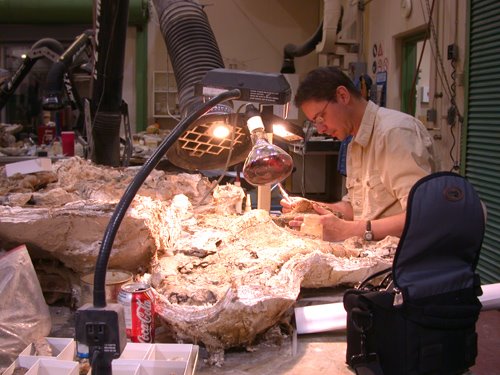
Darren Tanke hard at work prepping a ceratopsid I started collecting with Don Brinkman a few years back as part of my Ph.D. work. As it turns out most of the skeleton and skull was collected but we're missing the parietal (frill), so we'll be back to Iddesliegh, Alberta, this summer to find it.


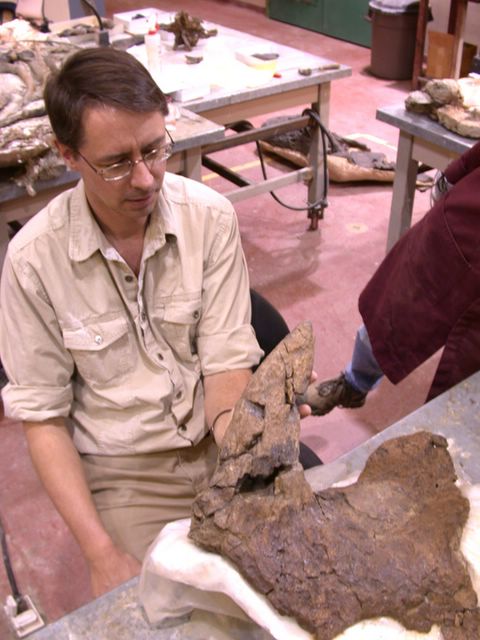
Darren holds the nasal horncore of a Styracosaurus in place on a specimen currently under prep. Note that's its length is pretty modest.